Best Rugged Android Tablets for Field Work (2026 Expert Guide)
In my twenty years of navigating the evolving landscape of mobile hardware, I’ve seen the “rugged” category transform from clunky, underpowered bricks into sleek, high-performance machines that rival flagship consumer devices. If you are managing a team in the field—whether it’s oil and gas, construction, or environmental research—you know that a broken screen isn’t just a repair cost; it’s a total work stoppage.
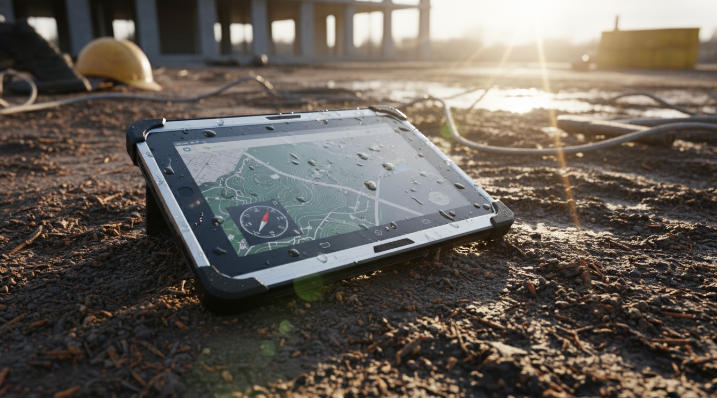
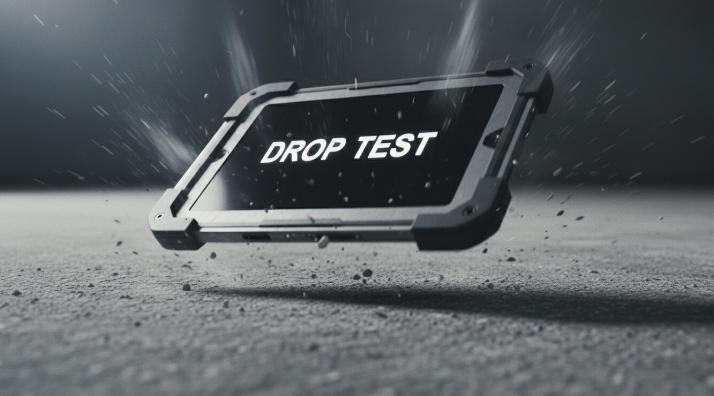
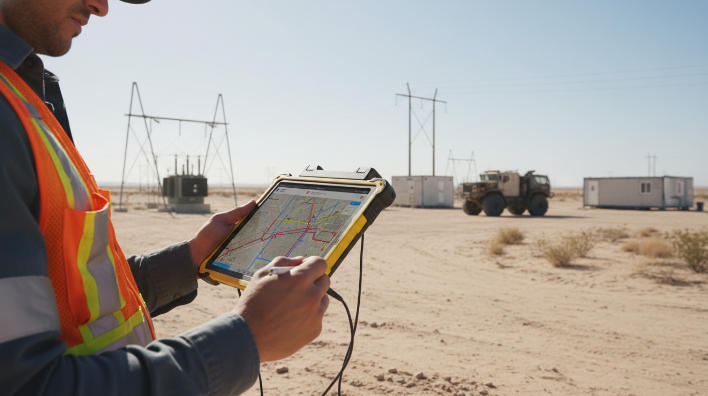
When people ask me for the best rugged Android tablets for field work, they aren’t looking for a fancy Netflix machine. They need a tool that survives a six-foot drop onto gravel, operates in a monsoon, and stays visible under the high-noon sun of the Mojave Desert.
In this guide, I will break down the top contenders for 2026, the technical specs that actually matter, and real-world case studies from my time consulting for global logistics firms.
Why Android for Field Work?
For a long time, Windows was the king of the field. However, the tide has shifted. Android offers better battery efficiency, a more intuitive touch interface for gloved hands, and a massive ecosystem of specialized APKs for GIS, BIM, and asset management.
The “Must-Have” Durability Standards
Before we look at the models, let’s clarify the jargon I use when vetting these devices:
- IP68/IP69K: This isn’t just “water-resistant.” IP68 means it can be submerged. IP69K means it can withstand high-pressure, high-temperature washdowns.
- MIL-STD-810H: This is a US Military standard. It tests for vibration, shock, extreme temperatures (-20°C to 60°C), and salt fog.
- Nits (Brightness): For field work, anything under 500 nits is useless. I look for 800 to 1,000 nits for true sunlight readability.
Top Picks: The Best Rugged Android Tablets for Field Work
| Model | Best For | Key Feature | Rugged Rating |
|---|---|---|---|
| Samsung Galaxy Tab Active5 | General Field Use | S-Pen & 5G Connectivity | IP68 / MIL-STD-810H |
| Panasonic Toughbook A3 | Mission Critical | Hot-Swappable Batteries | IP65 / 5ft Drop Tested |
| Getac ZX10 | Industrial/GIS | Dual Battery Design | IP66 / MIL-STD-810H |
| Oukitel RT7 Titan | Long-Term Remote | 32,000mAh Battery (5G) | IP68 / IP69K |
1. Samsung Galaxy Tab Active5: The Versatile Powerhouse
I’ve deployed hundreds of these in the utility sector. The Tab Active5 is the “sweet spot.” It’s light enough for a technician to carry on a belt clip all day but tough enough to handle a drop from a bucket truck.
Why I recommend it: The inclusion of the IP68-rated S-Pen is a game-changer for digital signatures and precision mapping in the rain. Most capacitive screens freak out when wet; the S-Pen bypasses that frustration entirely. Plus, it features a “No Battery Mode,” allowing it to run directly on a power source in a vehicle cradle without overheating the battery.
2. Panasonic Toughbook A3: The Gold Standard
If your budget allows, Panasonic is the brand I trust most. I once saw a Toughbook fall off a moving forklift, get run over by a trailing pallet jack, and still sync its data to the cloud.
The Professional Edge: The A3 features a modular design. You can add a barcode reader, a smart card reader, or a second USB port depending on your specific field needs. Its dual hot-swappable batteries mean the tablet never has to go back to the office to charge. You just swap the “juice” and keep moving.
3. Oukitel RT7 Titan: The Battery King
For environmental researchers spending weeks in the field without access to a grid, the RT7 Titan is my top recommendation. It boasts a 32,000mAh battery. To put that in perspective, it can stay on standby for 180 days.
Real-World Scenario: I recently consulted for a forestry project in the Pacific Northwest. The team was out for 10 days straight. While other teams were lugging heavy power banks, the RT7 users were still at 40% battery on day eight. Its 5G connectivity is surprisingly robust in low-signal areas.
Case Study: Optimizing Last-Mile Delivery
Client: A mid-sized logistics firm in Chicago.
Problem: 15% device failure rate per month due to screen cracks and charging port failures.
Solution: We replaced their consumer tablets with the Samsung Galaxy Tab Active series paired with Gamber-Johnson vehicle docks.
Result: Over 12 months, the device failure rate dropped to near zero. The “pogo pin” charging system eliminated broken USB ports, and the total cost of ownership (TCO) decreased by 34% despite the higher initial hardware investment.
Critical Features Checklist for Field Managers
When you are selecting the best rugged Android tablets for field work, don’t just look at the CPU speed. Look at these:
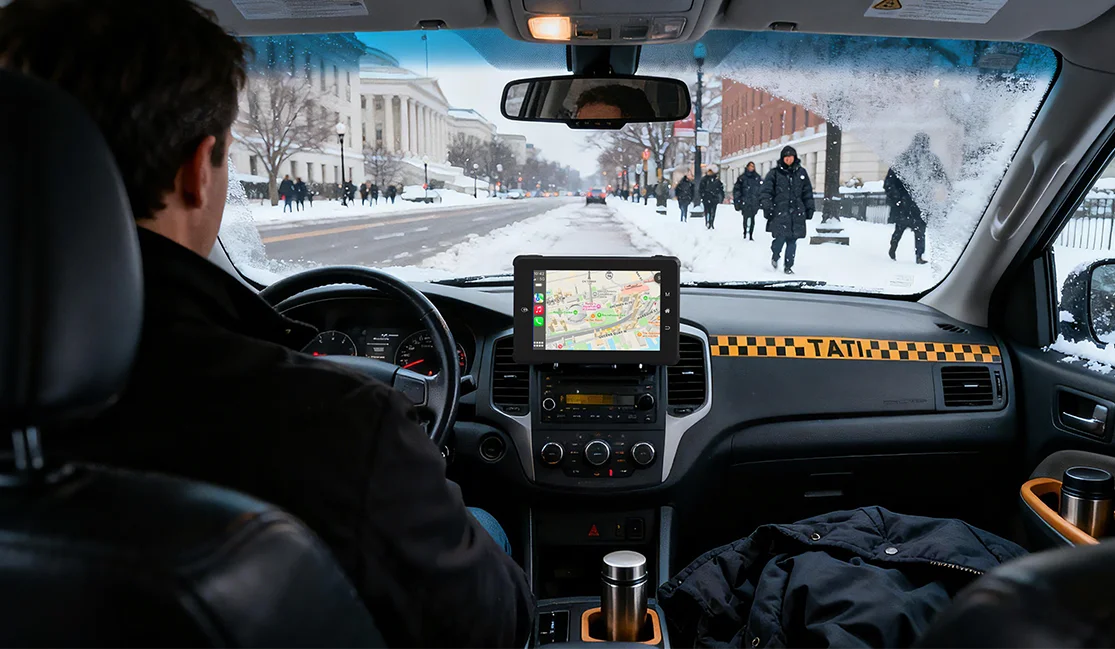
- Glove Touch Mode: Can your workers use the screen in the winter?
- Programmable Buttons: Can you set a physical button to launch your most-used app or the camera?
- GPS Accuracy: Does it support L1/L5 dual-band GPS for sub-meter accuracy in “urban canyons” or dense forests?
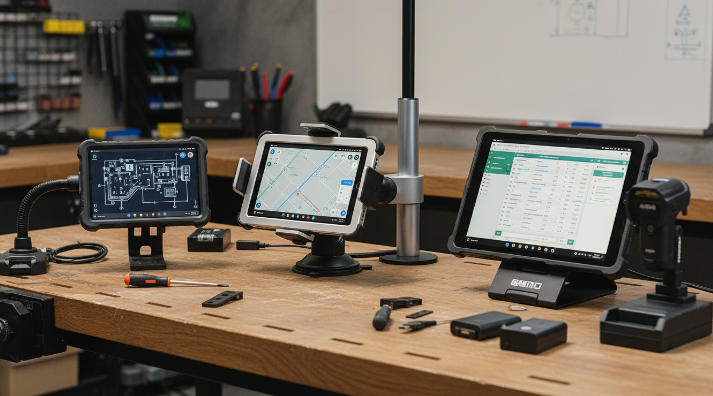
- Accessories: Are there vehicle mounts, hand straps, and shoulder harnesses available? A tablet is only useful if it’s easy to carry.
FAQ: Best Rugged Android Tablets for Field Work
Q: Are rugged Android tablets significantly slower than consumer tablets like the Galaxy Tab S9?
A: While they often use mid-range processors to prioritize battery life and thermal stability, modern rugged tablets like the Tab Active5 or Getac ZX10 are plenty fast for professional apps. They won’t lag on AutoCAD Mobile or complex GIS software, though they aren’t designed for high-end gaming.
Q: What is the difference between IP67 and IP68 for field work?
A: IP67 means the device can be submerged in 1 meter of water for 30 minutes. IP68 goes further, usually up to 1.5 meters for 30 minutes or more. For field work involving heavy rain or accidental drops into puddles, I always push clients toward IP68 to ensure long-term seal integrity.
Q: Can I use a regular tablet with a “rugged case” instead of buying a dedicated rugged tablet?
A: In my experience, no. A case protects against drops, but it doesn’t solve the problem of internal heat buildup, screen brightness, or port corrosion. Dedicated rugged tablets are engineered from the inside out to handle vibration and thermal shock that a “cased” consumer tablet simply cannot survive.
Expert Final Verdict
If you are looking for the best rugged Android tablets for field work in 2026, your choice should depend on your environment.
- For high-mobility roles, go with the Samsung Galaxy Tab Active5.
- For heavy industrial or mission-critical tasks, the Panasonic Toughbook A3 is worth every penny.
- For remote, long-duration expeditions, the Oukitel RT7 Titan is an unbeatable beast.
Investing in the right hardware today prevents the “hidden costs” of downtime tomorrow. I’ve seen it happen too many times—don’t let a cheap tablet be the weak link in your field operations.
External Resources & Authority Links:
- MIL-STD-810H Standard Explained (PDF)
- IEC 60529 – IP Ratings Breakdown
- Samsung Business Solutions – Rugged Portfolio
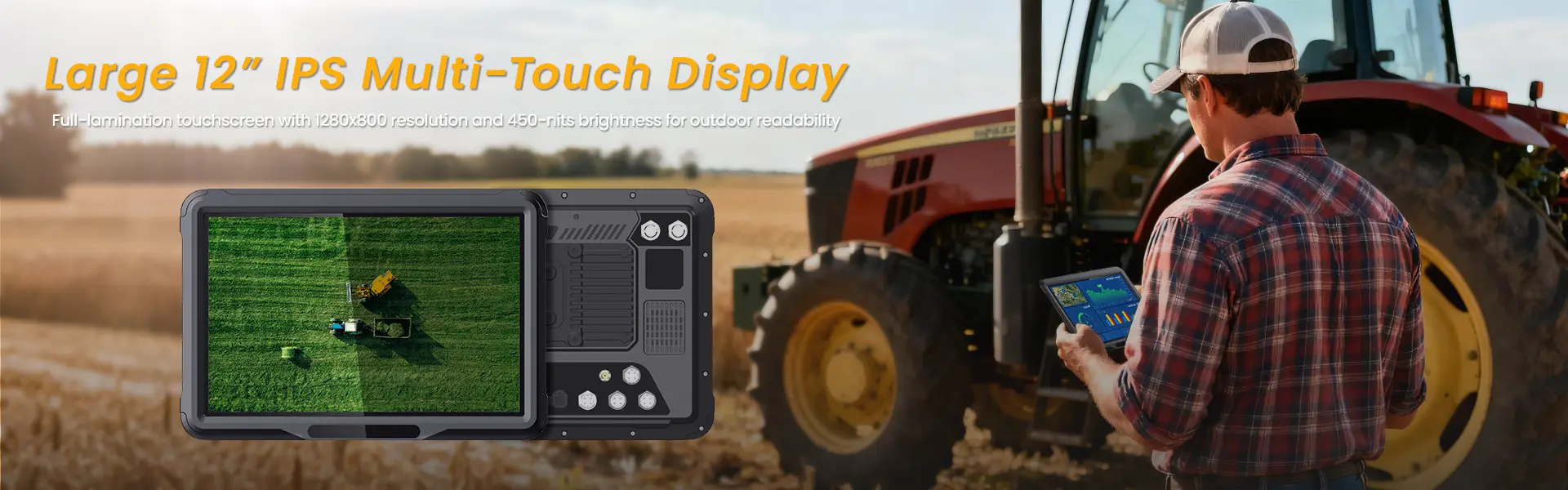
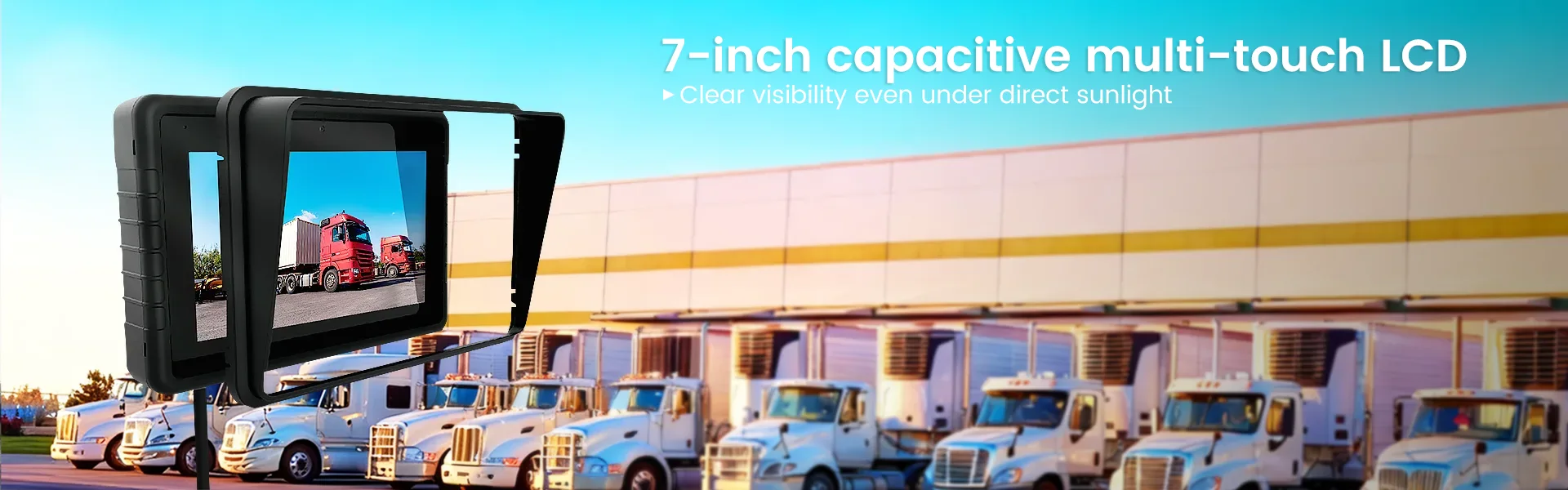
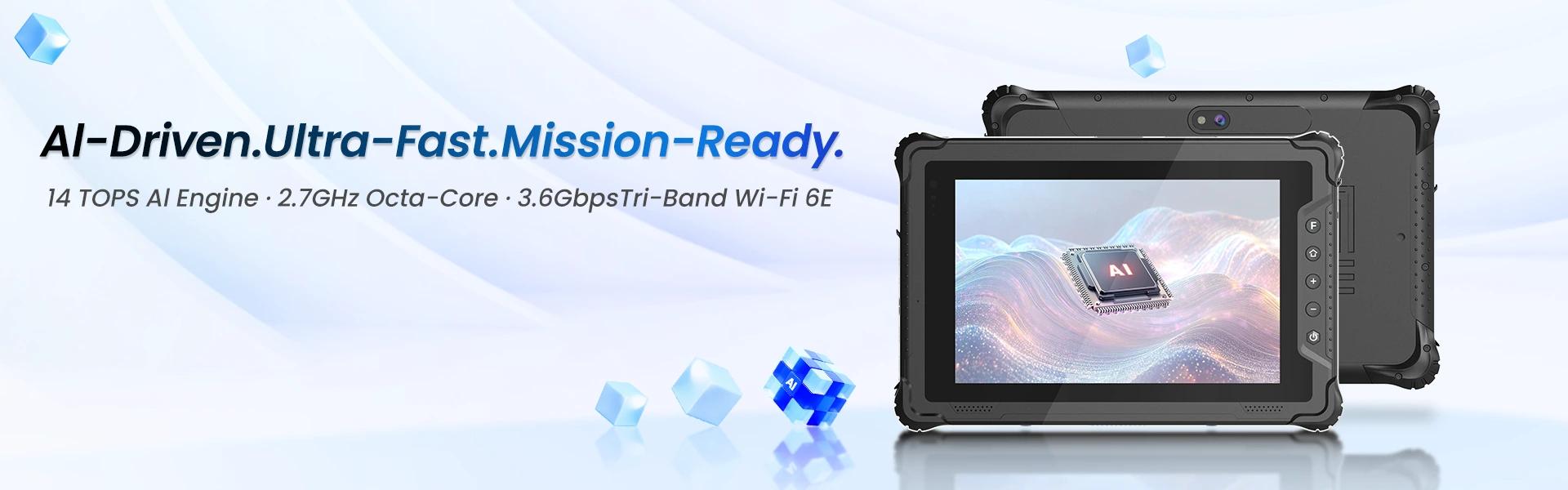
Newision.com offers a range of 7 to 10-inch rugged tablets designed for in-vehicle use, built to withstand demanding environments like construction, mining, agriculture, and waste management.
IF YOU NEED RUGGED ANDROID TABLET SOLUTION,CONTACT US.
Latest Content
- RFID Tablet Solutions: Intelligent, Rugged, and Scalable Mobility for Industrial Digital Transformation
- The Ultimate Guide to Rugged Tablets: Durable Tablet PCs for Demanding Environments
- Mastering Mobile Data Terminal Configuration for Seamless Fleet Management Integration
- How Big Is 10 Inches? A Guide to 10-Inch Computer Screens and Tablets
- The Ultimate Guide to the 8 Inch Rugged Tablet: 1000 Nits Sunlight Readable & More
Hot product
- WMT6UQ: 6-Inch 4G Android 12 Wireless Carplay Navigator Motorcycle PND
- WT10RX: 10.1 inch rugged tablet,10.1″ sunlight-readable display,10.1" ip67 rugged tablet
- WT10MX: 10.1 inch rugged tablet 12,000 mAh,10.1″ IPS display Rugged IP65 design
- WT08Q9Y: 8 inch 10000mAh long battery rugged tablet,1000-nit rugged tablet,
- WT08M8Y: 8 inch Android 14,700-nits rugged tablet