MDT Tablets and Devices: The Backbone of 2026 Industrial Intelligence
Definition: In the United States, MDTs (Mobile Data Terminals) —also known as Mobile Data Computers (MDCs)—are specialized, ruggedized computing devices used primarily in public safety, fleet management, and industrial logistics. They provide real-time data communication, dispatching, and GPS tracking in environments where consumer-grade tablets would fail.
The Evolution of Mobility: Addressing 2026’s Industrial Pains
As we move deeper into 2026, the global industrial sector faces an unprecedented convergence of challenges. Supply chain volatility, the aggressive push for carbon neutrality, and the “Great Labor Transition” have forced enterprises to rethink their edge computing strategies. MDT Tablets and Devices are no longer just optional accessories; they are the central nervous system of the modern mobile workforce.
The pain points of 2026 are digital. Traditional paper-based systems have vanished, replaced by a need for instantaneous, 5G-enabled data flows. In the United States, the demand for high-reliability MDCs in police cruisers, ambulances, and heavy-duty logistics trucks has surged by 40% year-over-year. Why? Because the cost of downtime has become unsustainable. A single device failure in a logistics chain can cascade into thousands of dollars in lost revenue and broken SLAs.
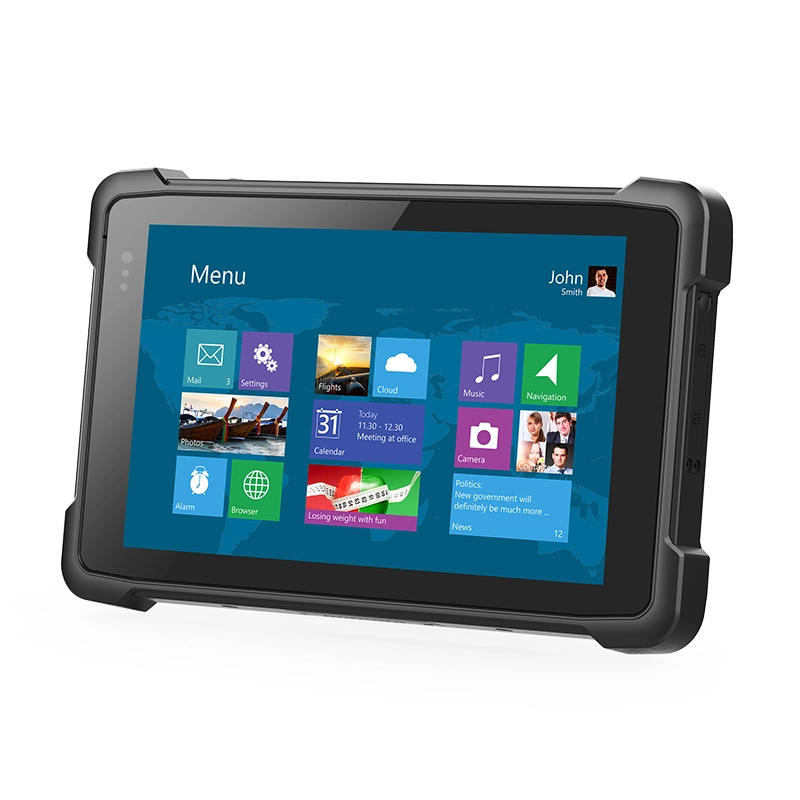
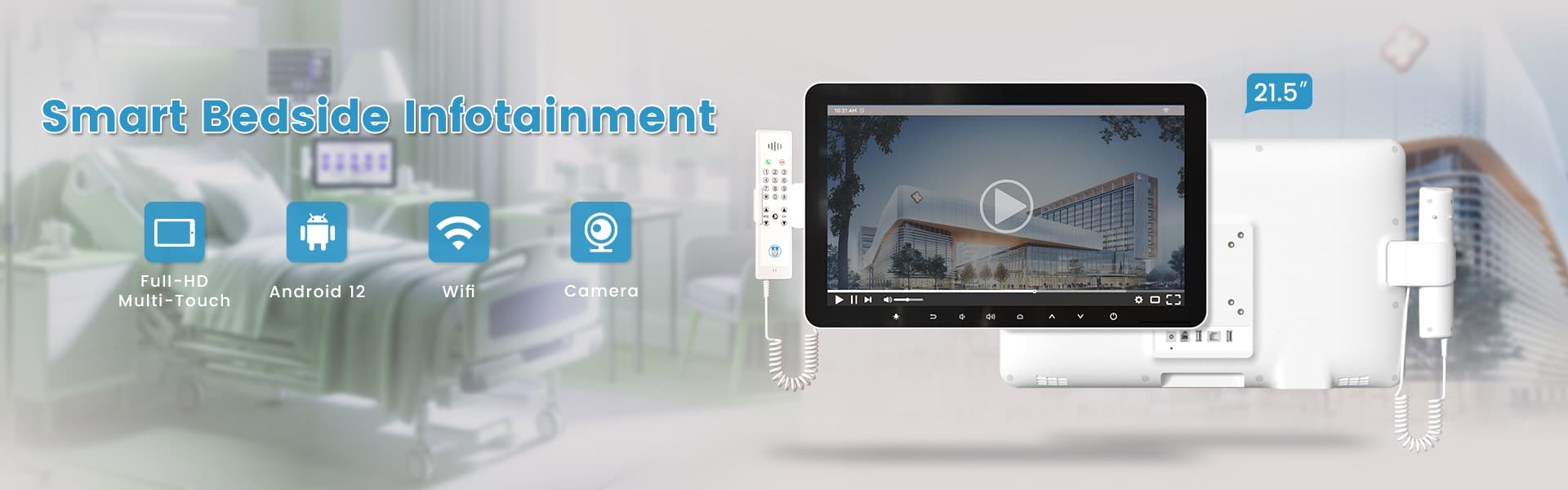
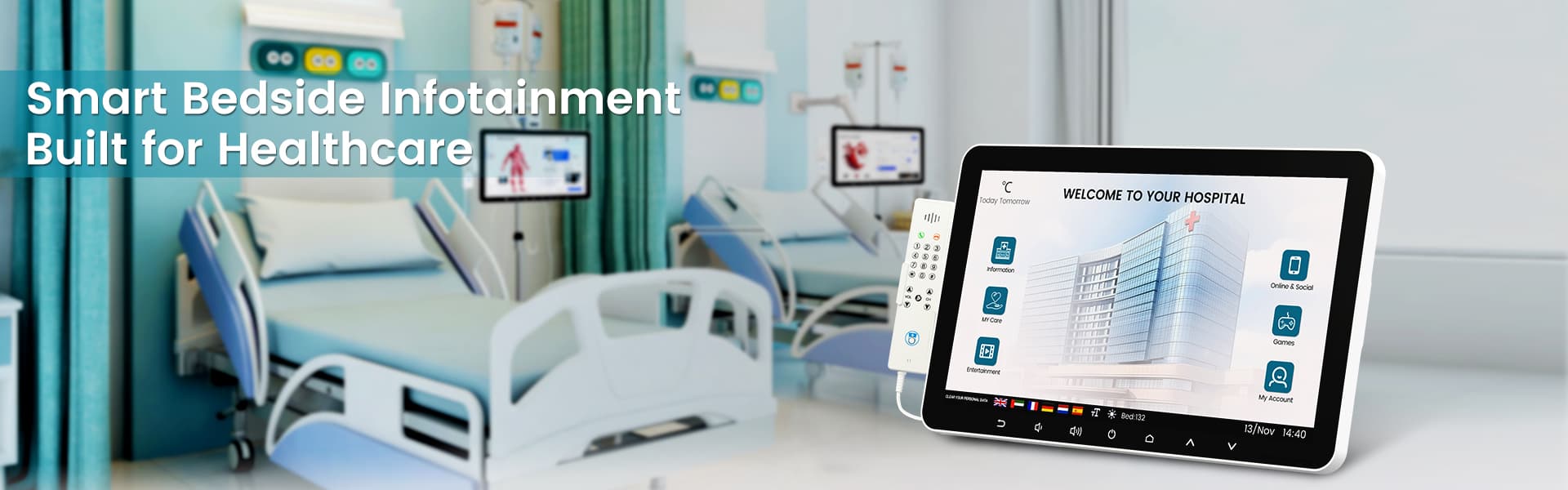
Furthermore, the term “MDT tablet” typically refers to two very different things depending on the context: Mobile Data Terminals (rugged computing devices for vehicles) or specialized medical grade tablets. Our focus today remains on the heavy-duty industrial and public safety sectors, where “rugged” is a survival requirement, not a marketing buzzword.
Engineering Excellence: Beyond the IP68 Rating
When we discuss MDT Tablets and Devices, we are discussing engineering feats that defy environmental logic. The baseline for any serious industrial device in 2026 starts with MIL-STD-810H compliance. This is not a single test but a battery of 28 different environmental stressors, including low pressure for high-altitude operations, exposure to high and low temperatures, plus temperature shock.
The sealing process for these devices utilizes advanced thermoplastic elastomers (TPE) and precision-machined magnesium alloy frames. An IP68 rating ensures that the device can withstand total immersion in water beyond 1 meter and remains completely dust-tight. But the true engineering mastery lies in Thermal Management. High-performance processors generate significant heat; in a sealed, fanless MDT, this heat must be dissipated through passive conduction. Our latest architectures utilize vapor chamber cooling technologies borrowed from high-end gaming rigs, adapted for the rugged constraints of a vehicle-mounted terminal.
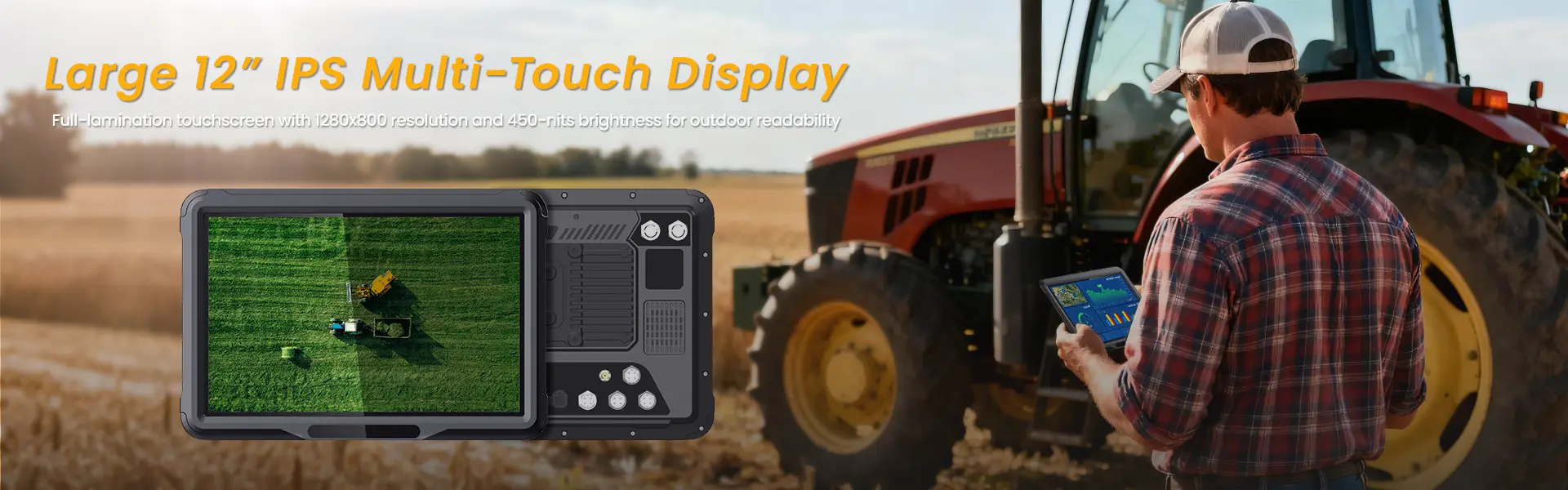
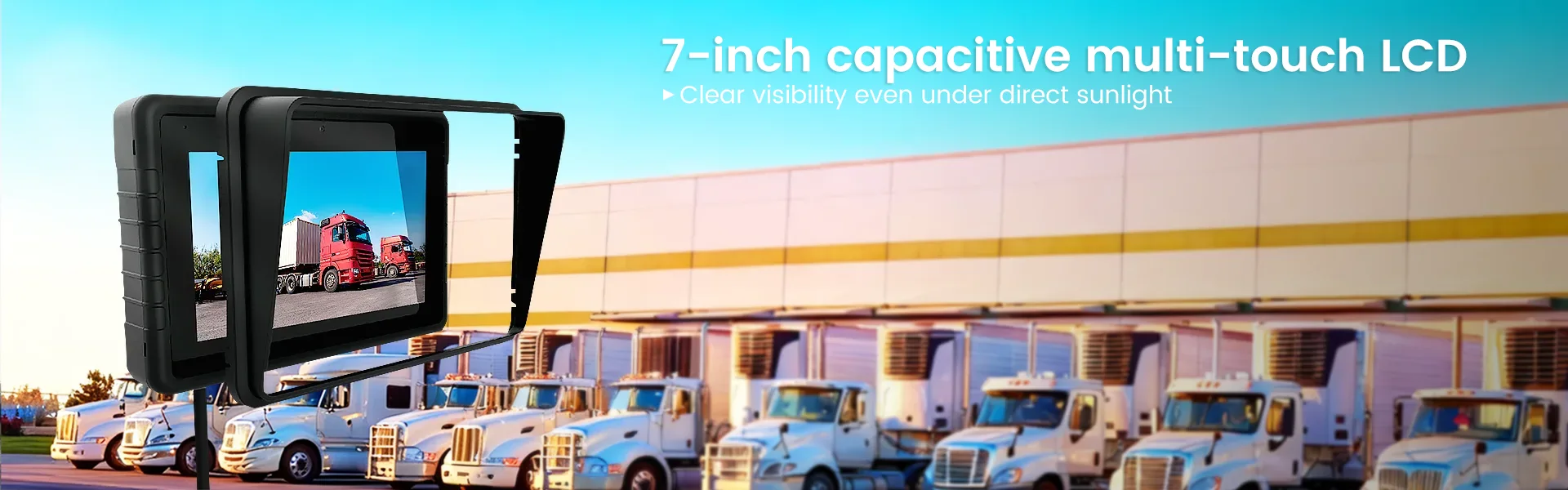
The display technology is another critical pillar. We utilize optically bonded screens with 1000+ nits of brightness. This ensures that even in the harsh mid-day sun of the Arizona desert, a first responder can read critical dispatch data without squinting. The “Rain Mode” and “Glove Mode” touch algorithms are refined using AI-driven noise filtering, allowing the capacitive touch layer to distinguish between a deliberate finger press and a stray raindrop or a heavy tactical glove.
Strategic Global Sourcing: The Shenzhen-Silicon Valley Pipeline
The competitive edge of Newision.com lies in our GEO-optimized supply chain. While design and strategic compliance (such as TAA compliance for the US market) are handled with Western precision, the heart of our production beats in Shenzhen, China. This is not merely about cost; it is about the “Speed of Innovation.”

The Greater Bay Area provides an ecosystem where a hardware iteration that would take six months in Europe can be prototyped in six days. This agility allows us to integrate the latest Qualcomm 5G chipsets and Wi-Fi 7 modules months before our legacy competitors. For our North American and European clients, we manage the “Last Mile” of compliance. This includes FCC/CE certifications and ensuring that our devices meet the strict cybersecurity standards required for modern IoT deployments.
Logistics efficiency in the 2026 era involves more than just shipping. It involves a “Digital Twin” of the supply chain, allowing our customers to track their MDT Tablet orders from the assembly line in Shenzhen to their final installation in a fleet of vehicles in Chicago or Berlin.
TCO & ROI Analysis: The Economics of Ruggedness
A common procurement mistake is focusing on the “Sticker Price.” A consumer-grade tablet might cost $500, while a specialized MDT Tablet might cost $1,500. However, the Total Cost of Ownership (TCO) over a five-year lifecycle tells a different story.
| Feature | Consumer Tablet | Professional MDT Device | Economic Impact |
|---|---|---|---|
| Annual Failure Rate | 18% – 25% | < 2% | 90% Reduction in Downtime |
| Lifecycle Length | 12 – 18 Months | 5 – 7 Years | Lower Replacement Frequency |
| I/O Ports | USB-C only | RS232, RJ45, CAN-bus | No expensive adapters needed |
| Vehicle Integration | Third-party mounts | Direct VESA/RAM mount | Improved Driver Safety |
When you factor in the “Soft Costs”—the IT labor required to replace a broken screen, the loss of productivity when a driver is offline, and the risk of data breaches on non-secured devices—the MDT pays for itself within the first 14 months of deployment. In the industrial world, reliability is the highest form of profit.
Frequently Asked Questions
What are the main features of MDT tablets?
The main features of MDT tablets include military-grade ruggedness (MIL-STD-810H), high-brightness sunlight-readable displays, integrated vehicle bus communication (like CAN-bus), and high-precision GPS for fleet tracking. Unlike consumer devices, they are designed for permanent or semi-permanent vehicle installation with specialized power regulation to handle engine cranking voltages.
How do MDT devices improve public safety operations?
MDT devices facilitate real-time communication between dispatchers and field units, allowing for instantaneous data sharing such as license plate lookups, medical records, or building blueprints. Their rugged nature ensures they remain functional during collisions or in extreme weather, which is critical for life-saving missions.
Are MDT Tablets compatible with Android or Windows?
Modern MDT devices are available in both Android and Windows 11 Pro IoT Enterprise versions. The choice typically depends on the legacy software requirements of the enterprise, with Android being preferred for custom app flexibility and Windows for deep integration with corporate AD/LDAP environments.
相关推荐内容
Latest Content
- Best Android Rugged Tablets: 2026 Comprehensive Guide for Operations & Product Leaders
- RFID Tablet Solutions: Intelligent, Rugged, and Scalable Mobility for Industrial Digital Transformation
- The Ultimate Guide to Rugged Tablets: Durable Tablet PCs for Demanding Environments
- Mastering Mobile Data Terminal Configuration for Seamless Fleet Management Integration
- How to choose android tablet in 2026
Hot product
- WMT6UQ: 6-Inch 4G Android 12 Wireless Carplay Navigator Motorcycle PND
- WT10RX: 10.1 inch rugged tablet,10.1″ sunlight-readable display,10.1" ip67 rugged tablet
- WT10MX: 10.1 inch rugged tablet 12,000 mAh,10.1″ IPS display Rugged IP65 design
- WT08Q9Y: 8 inch 10000mAh long battery rugged tablet,1000-nit rugged tablet,
- WT08M8Y: 8 inch Android 14,700-nits rugged tablet