Rugged Linux Tablet: Industrial-Grade Linux Tablets for Harsh Environments
1. Understanding the Concept of a Rugged Linux Tablet
A rugged Linux tablet is an industrial-grade mobile computing device designed to operate reliably in harsh environments while running on a Linux-based operating system. It combines rugged hardware durability with the flexibility, security, and customization advantages of Linux.
1.1 What Makes a Tablet “Rugged”
Rugged tablets are engineered to withstand:
- Extreme temperatures (hot and cold)
- Vibration and mechanical shock
- Dust, water, and humidity (IP65/IP67 ratings)
- Drops from operational heights (MIL-STD-810H)
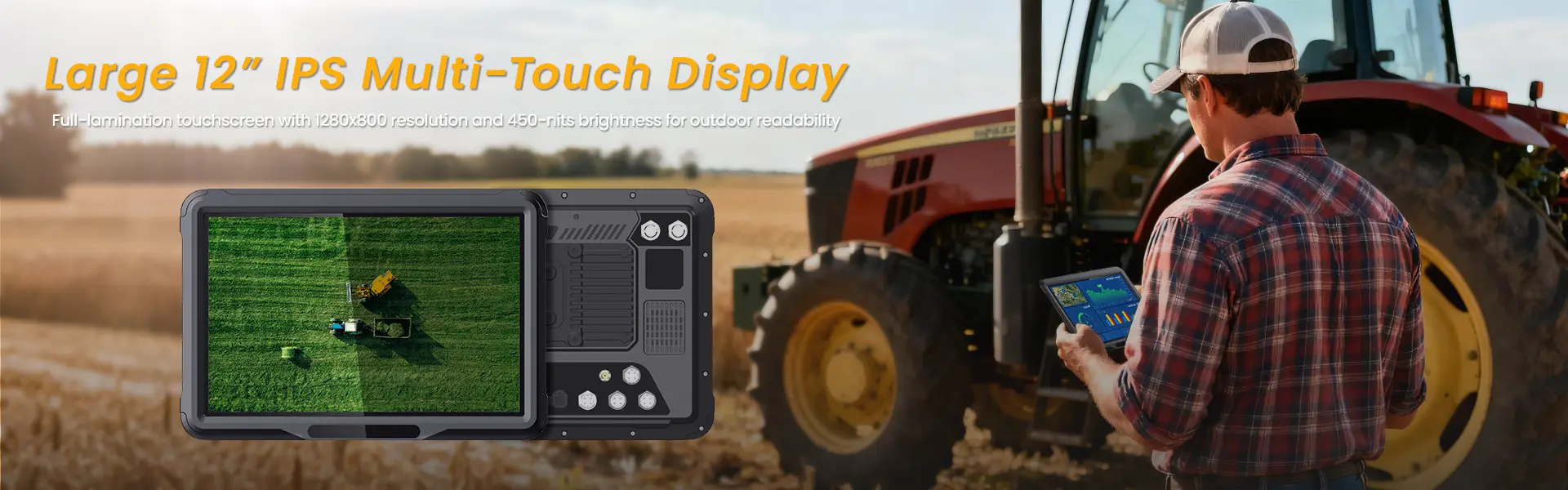
These characteristics make them suitable for industries such as transportation, mining, manufacturing, logistics, public safety, and agriculture.
1.2 Why Linux as the Operating System
Linux is widely used in industrial and embedded systems because it offers:
- Open-source architecture
- Long-term stability and lifecycle support
- High security and permission control
- Deep customization at kernel and driver levels
1.3 Typical Use Scenarios
A rugged Linux tablet is commonly deployed in:
- Fleet management terminals
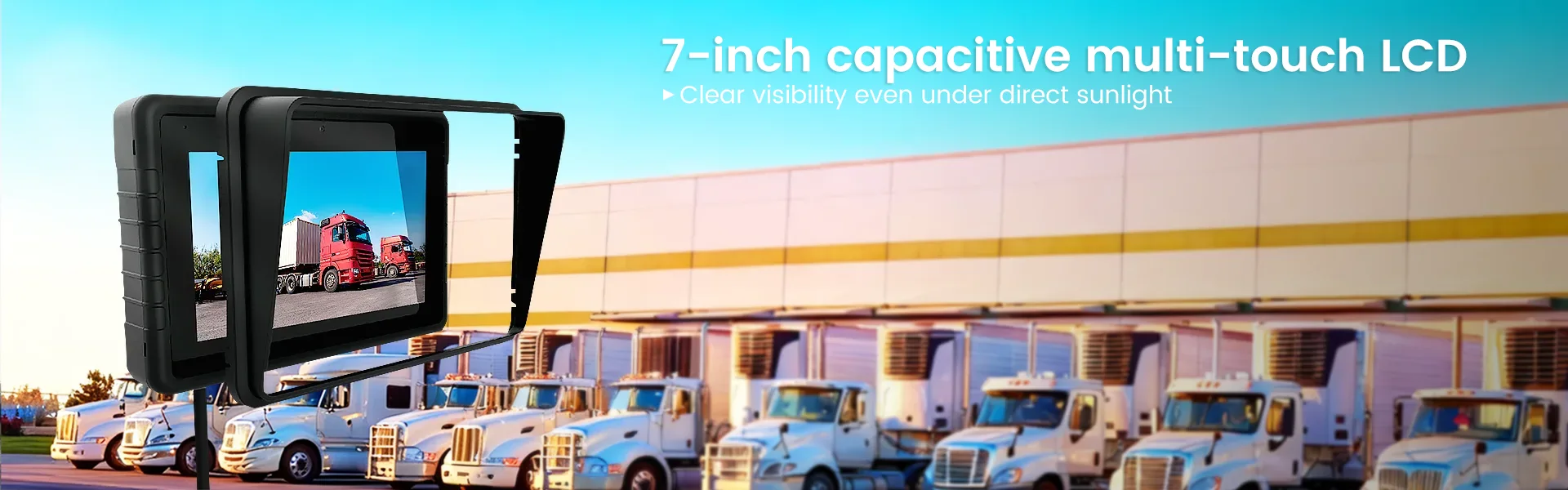
- Vehicle-mounted computers
- Industrial HMIs
- Warehouse and logistics operations
- Field service and inspection tasks
2. Common Questions About Rugged Linux Tablets (and Answers)
Question 1: Why choose Linux instead of Android or Windows for rugged tablets?
Answer:
Linux provides unmatched system-level control and stability. Unlike Android, Linux does not rely on consumer-oriented services, and unlike Windows, it has lower hardware overhead and better real-time performance. This makes Linux ideal for custom industrial applications and long-term deployments.
Question 2: Are rugged Linux tablets difficult to develop or maintain?
Answer:
Not necessarily. While Linux requires more technical expertise than Android, it offers better maintainability in the long run. With proper BSP (Board Support Package) and vendor support, system updates, security patches, and application deployment can be highly controlled and predictable.
3. Key Benefits of Using a Rugged Linux Tablet
3.1 Long-Term System Stability
Linux systems can run continuously for years with minimal downtime, which is critical for industrial operations.
3.2 High Security and Data Control
Linux allows strict user permissions, secure boot, encrypted storage, and closed networks—ideal for sensitive enterprise data.
3.3 Customization and Integration
From kernel configuration to UI frameworks, Linux tablets can be tailored to:
- Specific peripherals (CAN bus, RS232, GPIO)
- Industry protocols
- Proprietary software platforms
3.4 Lower Total Cost of Ownership (TCO)
No OS licensing fees and longer product life cycles significantly reduce long-term costs.
4. How to Implement a Rugged Linux Tablet Solution (Step by Step)
Step 1: Define Application Requirements
Identify:
- Industry use case (fleet, warehouse, mining, etc.)
- Environmental conditions
- Required interfaces (LTE, GPS, CAN, USB, GPIO)
Step 2: Choose the Right Hardware Platform
Select a rugged tablet with:
- Industrial-grade CPU (ARM or x86)
- Wide temperature support
- IP-rated enclosure
- Vehicle or panel mounting options
Step 3: Select the Linux Distribution
Common options include:
- Embedded Linux (Yocto-based)
- Ubuntu LTS
- Debian Industrial variants
The choice depends on lifecycle needs and software compatibility.
Step 4: Customize the System
- Configure kernel and drivers
- Optimize boot time
- Harden security (firewall, secure boot)
- Customize UI/UX for operators
Step 5: Application Deployment and Testing
- Deploy industrial software
- Conduct environmental and stress testing
- Validate performance under real-world conditions
Step 6: Maintenance and Lifecycle Management
- Establish OTA or manual update strategies
- Monitor system health
- Plan long-term OS and hardware support
5. Real-World Results from Rugged Linux Tablet Deployments
Result 1: Improved Fleet Reliability
Logistics fleets using rugged Linux tablets report significant reductions in system crashes compared to consumer-grade devices.
Result 2: Faster Custom Application Development
Manufacturers achieve shorter development cycles due to direct access to hardware and system-level APIs.
Result 3: Extended Device Lifespan
Rugged Linux tablets often remain operational for 5–8 years, far exceeding consumer tablets and reducing replacement costs.
6. Authoritative References and Sources
- The Linux Foundation
https://www.linuxfoundation.org - Yocto Project (Embedded Linux)
https://www.yoctoproject.org - Ubuntu for Embedded & IoT
https://ubuntu.com/embedded - IEC & Industrial Computing Standards
https://www.iec.ch - MIL-STD-810H Testing Overview
https://www.dtc.army.mil
相关推荐内容
Latest Content
- The Complete Guide to Choosing the Best Tablet for Truck Drivers in 2026
- Fleet Management Tablet: The Complete Guide to Rugged In-Cab Tablets for Commercial Vehicles
- The 2026 Definitive Guide to Rugged Vehicle-Mounted Tablets: Selection, Integration, and Deployment
- Bedside Infotainment Terminal: The Complete Guide to Smart Patient Engagement Systems in Modern Healthcare
- 10 Inches Sunlight Readable Tablet: 2026 Procurement & Technical Framework
Hot product
- WMT6UQ: 6-Inch 4G Android 12 Wireless Carplay Navigator Motorcycle PND
- WT10RX: 10.1 inch rugged tablet,10.1″ sunlight-readable display,10.1" ip67 rugged tablet
- WT10MX: 10.1 inch rugged tablet 12,000 mAh,10.1″ IPS display Rugged IP65 design
- WT08Q9Y: 8 inch 10000mAh long battery rugged tablet,1000-nit rugged tablet,
- WT08M8Y: 8 inch Android 14,700-nits rugged tablet