1000 Nits Brightness Rugged Tablet: The Essential Field Companion for Outdoor Conditions
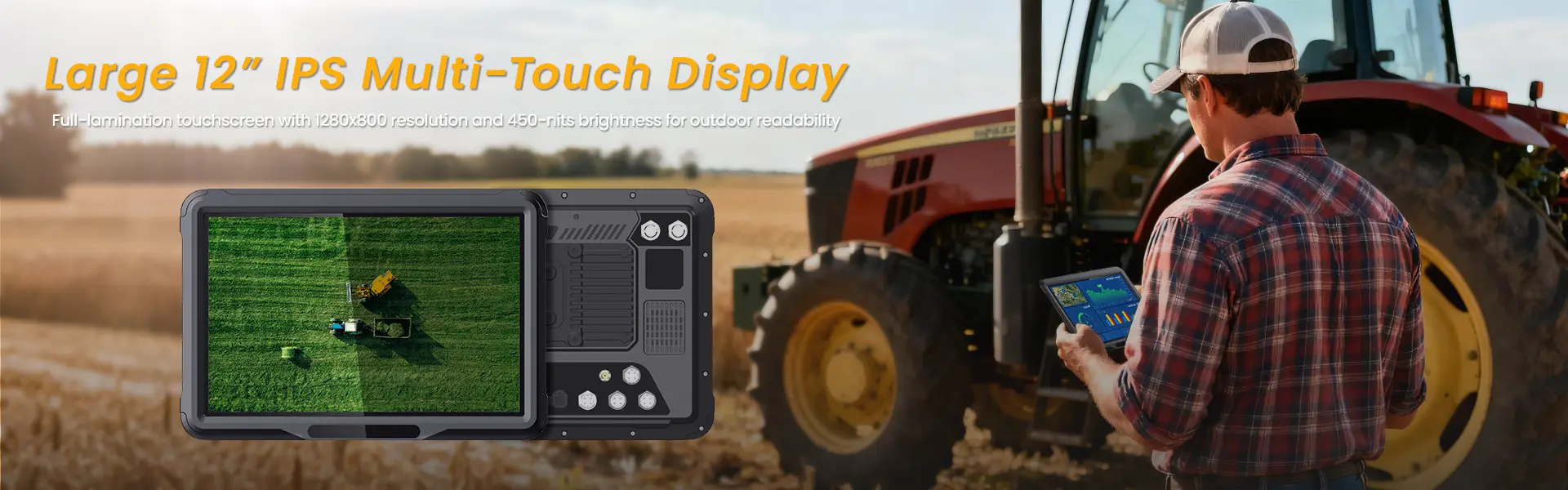
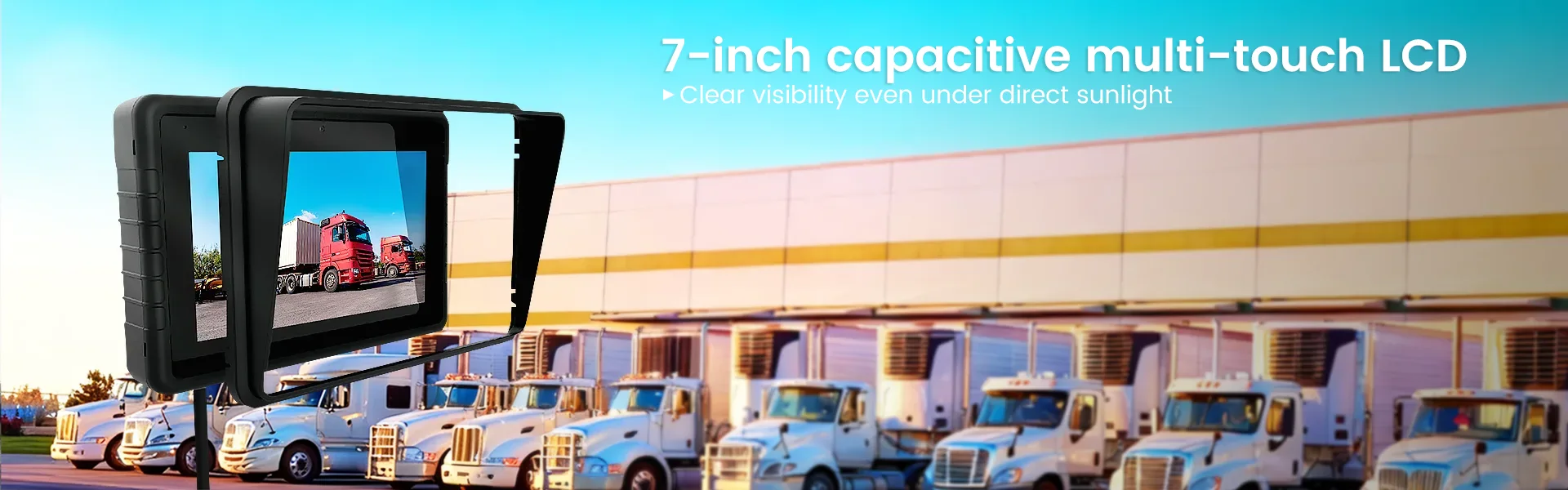
In many outdoor workflows, screen readability in bright sunlight is not a luxury—it’s a safety and productivity requirement. A rugged tablet with 1000 nits of brightness paired with deliberate sunlight-readability engineering (optical bonding, anti-reflective coatings, robust build standards) enables field teams to access blueprints, maps, inventory data, and real-time telemetry without squinting or guessing. This article explains why 1000 nits matters, what technologies and standards actually deliver reliable visibility, and how to choose a rugged tablet that stays legible under harsh outdoor conditions across industries and geographies.

Why 1000 nits matters for rugged tablets in the field
- Sunlight readability is a multi-factor problem. Brightness alone isn’t enough if reflections wash out content. The industry combines high-brightness backlighting with optical enhancements to keep text and graphics legible.
- 1000 nits is a widely recognized benchmark for outdoor-capable displays. In direct solar glare (midday sun, reflective surfaces, dusty environments), displays at or near 1000 nits maintain contrast and readability that 500–600 nit panels struggle to achieve.
- For field workers—from construction crews and utility technicians to oil-field inspectors and warehouse logistics—clear screens reduce data-entry errors, speed decision-making, and improve safety outcomes when workers can see critical diagrams, schematics, and maps without straining eyes.
Core display technologies behind 1000 nits sunlight readability
- High-brightness backlighting: A 1000-nit panel relies on a bright backlight capable of delivering clear images even under direct sun. This is commonly combined with local dimming where applicable to preserve battery life and contrast.
- Optical bonding: Bonding the display glass directly to the LCD/ OLED stack minimizes air gaps that cause internal reflections. Optical bonding improves contrast, color accuracy, and outdoor legibility, often boosting perceived readability in bright daylight.
- Anti-reflective and anti-glare coatings: AR (anti-reflective) coatings maximize light transmission, while AG (anti-glare) treatments scatter external reflections. The combination reduces glare from sunlit environments and mirrors, improving readability during long shifts outdoors.
- Matte and texture choices: A matte finish with careful glare management helps workers read fine details in blueprints, dashboards, or industrial scans without the surface reflecting distracting light.
- Optical performance vs. brightness: While the brightness metric is essential, true outdoor readability also hinges on contrast ratio, color accuracy, viewing angles, and glare control. The best solutions optimize all these factors in concert.
Durability standards that support outdoor use
- MIL-STD-810H: This U.S. military standard tests devices for drops, shock, vibration, humidity, temperature extremes, and more. Rugged tablets designed for field jobs commonly meet MIL-STD-810H to ensure reliability in rough environments.
- IP ratings: Rugged tablets for outdoors typically feature IP65 to IP67/ IP68 protection, indicating dust resistance and varying levels of water ingress protection. Higher IP ratings are common for devices used in rain, spray zones, or underwater submersion tests.
- Environmental resilience: Beyond ingress protection and drop tests, field devices often endure extreme temperatures, thermal cycling, and humidity. A 1000-nits rugged tablet is usually engineered with thermal management and durable housing to maintain display performance in heat, cold, and dust.
Real-world applications by geography and industry
- North America (construction, field service, utilities): In urban and remote construction sites, 1000-nit rugged tablets improve interpretation of complex blueprints, permit PDFs, and IoT dashboards in sun-drenched outdoor sites. DURABLE construction, glove-friendly touch, and robust battery life are particularly valued here.
- Europe (logistics, rail/port operations, maintenance): In outdoor logistics yards and rail depots, highly visible displays speed up scanning, labeling, and inventory reconciliation under changing daylight conditions. Compliance with MIL-STD-810H and robust IP ratings helps manage dust and rain exposure common in varied European climates.
- Middle East and North Africa (oil & gas, field instrumentation): Bright, sunlight-readable screens reduce the risk of misreading instrument panels and schematics in intense desert sun. Devices designed for high-temperature operation and rugged durability are essential in drilling rigs and remote sites.
- Asia-Pacific (construction, maritime, public safety): In maritime yards or large outdoor facilities, 1000-nit panels sustain legibility near water spray and glare from reflective surfaces like metal or wet concrete. Glove mode and tactile responsiveness help workers operate devices with PPE.
- Global considerations: For multinational projects, choosing a tablet with consistent sunlight readability, MIL-STD-810H compliance, and dependable field service support reduces the total cost of ownership and simplifies procurement across regions.
Design and feature considerations beyond brightness
- Glove-friendly touch and precision: Fieldwork often requires wearing heavy gloves. A rugged tablet should support glove mode or other input methods (stylus, capacitive touch optimized for gloved use) to maintain productivity in harsh environments.
- Battery life and fast charging: High brightness draws power. Efficient backlighting control, energy management, and large batteries extend usable shifts between charges.
- Connectivity and durability: Expect rugged tablets to offer multiple wireless bands (LTE/5G, Wi-Fi, GPS, Bluetooth), ruggedized I/O ports, and support for docking/vehicle mounting to keep devices charged and secure on the move.
- Sensor integration: Cameras, barcode scanners, NFC, GPS, and environmental sensors can streamline field workflows, asset tracking, and quality control in industrial settings.
- Thermal management: Bright displays can heat devices quickly in hot climates. Effective thermal paths and heat dissipation help preserve performance and screen readability.
How to evaluate a 1000-nits rugged tablet for your use case
- Define the outdoor visibility requirements: Assess typical sun angles, reflective surfaces, and ambient light in your work sites. If workers frequently gaze at screens during peak sun, aim for 900–1000+ nits with strong anti-glare performance.
- Verify sunlight-readability tech stack: Look for a combination of high brightness, optical bonding, AR/AG coatings, and any optional anti-glare matte finishes.
- Check durability specs: MIL-STD-810H compliance plus IP65/IP67/IP68 ratings, plus drop tests (commonly 1.0–2.0 meters depending on design) and operating temperature ranges suited to your climate.
- Review field-oriented features: Glove mode, rugged scanners, hot-swappable batteries, modular accessories (keyboard docks, vehicle mounts, rugged cases), and expansion options.
- Assess lifecycle and support: Long product lifecycles, availability of spare parts, consistent firmware updates, and regional service centers help minimize downtime.
- Consider total cost of ownership: Initial price, maintenance costs, battery life over service cycles, and upgrade paths matter as much as the headline brightness spec.
Practical field scenarios and best-practice tips
- Construction sites in bright sun: Use a 1000-nit display with optical bonding and AR coating to minimize glare from concrete dust and metal surfaces. Pair with glove-friendly touch for field data capture and blueprint viewing.
- Oil and gas operations outdoors: High brightness helps read instrument dashboards, schematics, and safety maps in glare-prone environments while staying within IP67/810H requirements for humidity and vibrations.
- Logistics yards and outdoor warehouses: Durable tablets with bright screens improve barcode scanning accuracy and real-time inventory checks under direct sunlight; dust and water resistance maintain reliability across shifts.
- Public safety and utilities: In the field, legible displays support urgent decision-making and documentation in outdoor weather scenarios, from rain to dust storms, while MIL-STD-810H compliance supports rugged ride-alongs in vehicles or on helicopters.
FAQ
- Q1: What does 1000 nits mean in real-world terms for outdoor readability?
A: Nits measure screen brightness. A 1000-nit display is generally readable in direct sunlight without the screen content washing out, provided the display also uses sunlight-readability techniques like optical bonding and anti-glare coatings. - Q2: Do I need 1000 nits on every outdoor tablet?
A: Not always. If your work occurs mostly in shaded areas or indoors, 600–800 nits may suffice. For direct sun exposure, especially in desert or coastal environments or during peak daylight, 900–1000+ nits offers a meaningful readability advantage. - Q3: How do optical bonding and coatings affect durability?
A: Optical bonding can improve contrast and reduce glare, and it also adds structural integrity to the display stack. Anti-reflective and anti-glare coatings help with glare resistance. These features are designed to endure field conditions and contribute to reliability over time. - Q4: Is a higher brightness battery-intensive?
A: Yes, higher brightness consumes more power. Reputable rugged tablets balance brightness with smart backlighting control, energy-efficient components, and larger batteries to sustain an entire work shift. - Q5: Which industries benefit most from 1000-nit rugged tablets?
A: Construction, utilities, oil and gas, logistics, public safety, maritime, and field service operations with significant outdoor or vehicle-based work. Anywhere workers need to read detailed content in bright sun or glare-heavy environments.
Related Content
WT08Q9Y: 8 inch 10000mAh long battery rugged tablet,1000-nit rugged tablet
SYV10A: 10.1 inch rugged tablet,1000 nits,android 12 tablet
The Ultimate Guide to the 8 Inch Rugged Tablet: 1000…
相关推荐内容
Latest Content
- Rugged Tablets for Fleet Management: Enhance Efficiency and Durability
- Industrial Tablet Manufacturer: Durable Solutions for Harsh Environments
- Can Rugged Tablets for Forklifts Really Transform Material Handling Efficiency and Durability?
- Why Choose Rugged Tablets for Construction: A Comprehensive Guide to Durability and Performance?
- What Are the Best 10 Inch Rugged Android Tablets for Durability and Performance?
Hot product
- WMT6UQ: 6-Inch 4G Android 12 Wireless Carplay Navigator Motorcycle PND
- WT10RX: 10.1 inch rugged tablet,10.1″ sunlight-readable display,10.1" ip67 rugged tablet
- WT10MX: 10.1 inch rugged tablet 12,000 mAh,10.1″ IPS display Rugged IP65 design
- WT08Q9Y: 8 inch 10000mAh long battery rugged tablet,1000-nit rugged tablet,
- WT08M8Y: 8 inch Android 14,700-nits rugged tablet