
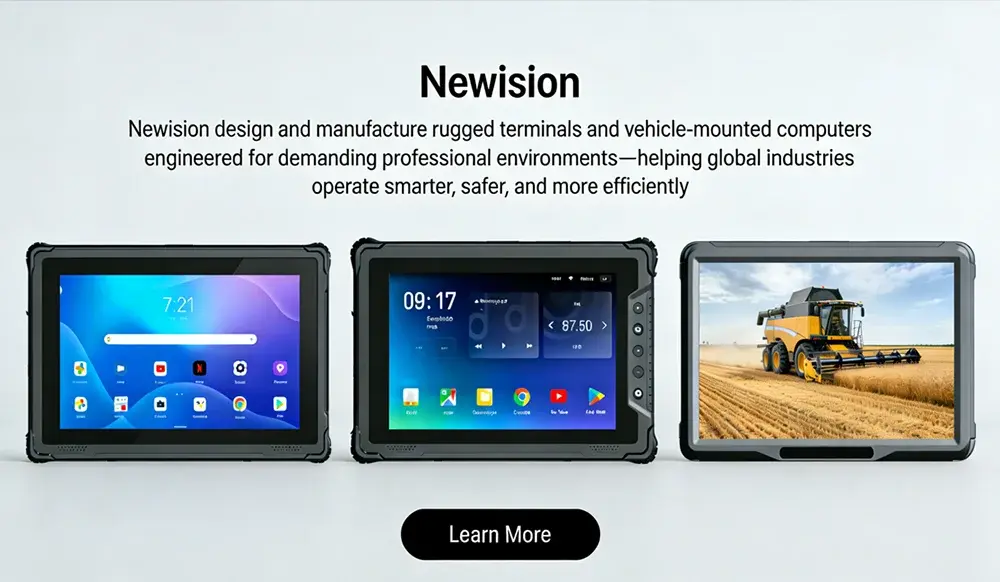
Rugged Tablets for Fleet Management: Enhance Efficiency and Durability
Introduction In modern fleet operations, the absolute reliability of field devices translates directly into operational efficiency, safety, and cost control. Rugged tablets—engineered to withstand harsh conditions, vibration, dust, moisture, extreme temperatures, and rough handling—have emerged as a strategic enabler for fleet management. From first-mile delivery to long-haul trucking and on-site service vehicles, these devices support real-time route optimization, asset tracking, driver performance monitoring, and maintenance scheduling. This article provides a comprehensive, practitioner-focused view of why rugged tablets matter in fleet management, what features to prioritize, how regional contexts shape deployment, and how to build an ROI-driven implementation.
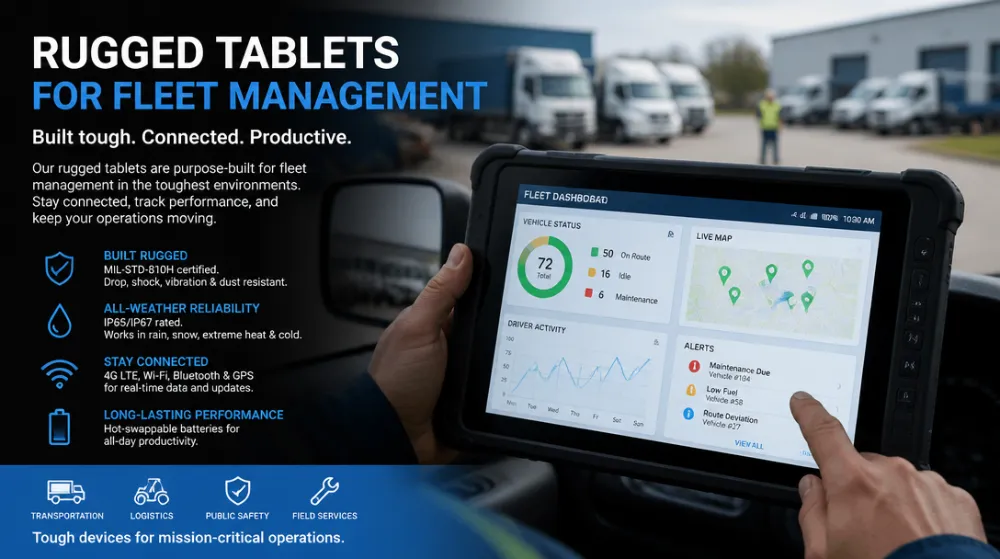
Why rugged tablets for fleet management?
- Reliability in diverse environments: Fleet operations span urban canyons, rural backroads, construction sites, and shipping yards. Rugged tablets maintain performance where consumer devices fail, reducing downtime and data gaps.
- Real-time data and decision-making: With robust connectivity (4G/5G, Wi-Fi, GNSS) and edge processing, these devices push telematics, GPS tracking, and sensor readings to dispatchers and depot managers instantly.
- Safety and compliance: Durable hardware, secure OS, and tamper-resistant features help enforce driver safety programs, fatigue management, and regulatory compliance across geographies.
- Total cost of ownership (TCO) considerations: Higher upfront cost is often offset by longer device lifecycles, reduced repair demands, lower replacement frequency, and fewer unplanned outages.
Key features to prioritize (with geo-aware implications)
- Physical durability: Look for MIL-STD-810G or equivalent protection, IP67/68 ingress resistance, ruggedized displays (glare-free, high brightness, outdoor readability), and reinforced ports. These specs are particularly critical for fleets operating in harsh climates (extreme cold in Europe, dusty deserts in APAC, rainy seasons in LATAM, winter conditions in North America).
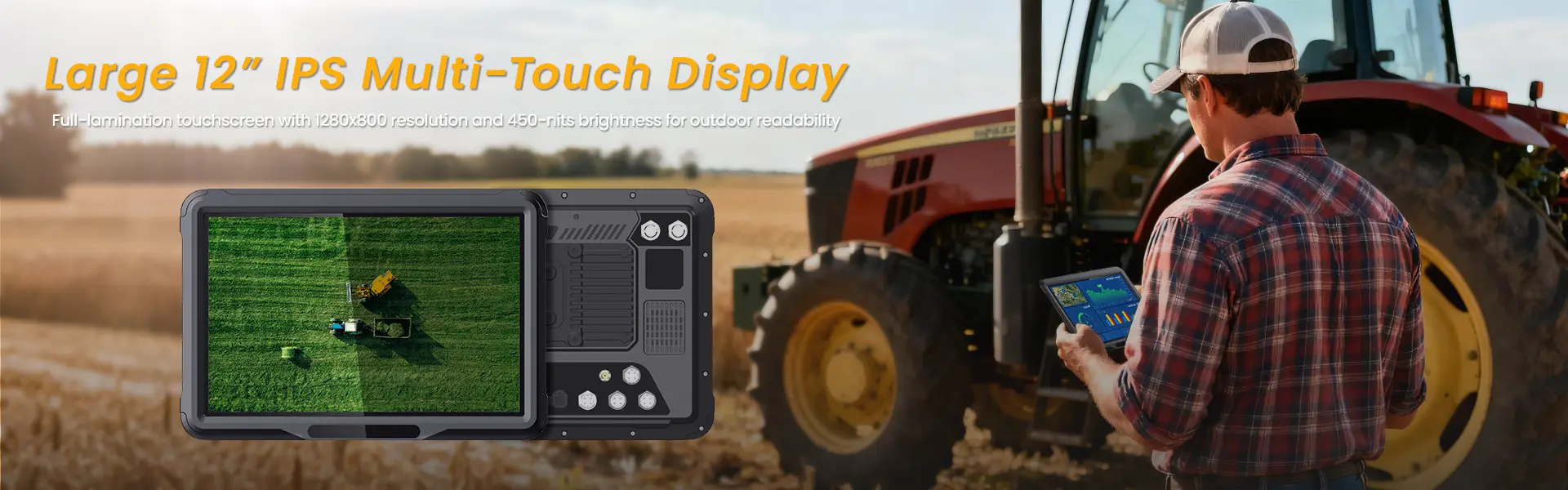
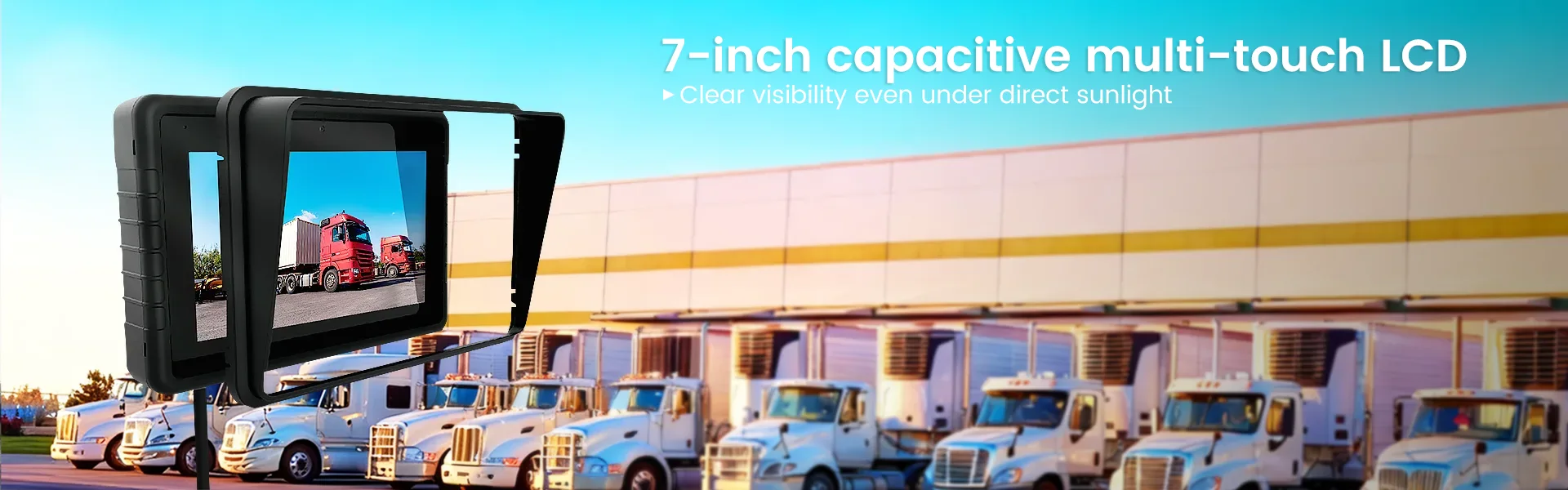
- Display and usability: Sunlight-readable screens (high luminance, anti-glare), glove-friendly touch, and capacitive stylus support enable drivers to operate devices under sunlight and in winter gloves—common needs across regional fleets.
- Battery life and charging: Extended battery life with hot-swappable options or fast charging is essential for long shifts and multi-day assignments, especially in remote regions with limited charging infrastructure.
- Connectivity and routing intelligence: Global or regional favorable bands (4G/LTE, 5G where available), dual-SIM or eSIM, robust Wi-Fi, Bluetooth for peripherals, and reliable GNSS (GPS, GLONASS, Galileo, BeiDou) for accurate navigation and geofencing.
- Security and data protection: Hardware-backed key storage, secure boot, OS hardening, MDM (mobile device management) compatibility, and encryption at rest/in transit are vital for compliance across GDPR regions in Europe and data privacy laws in other markets.
- Operating system and ecosystem: Windows, Android, or a hardened Linux variant—each with its own enterprise app ecosystem, fleet management integrations, and OTA (over-the-air) update capabilities. Regional IT policies may drive OS choices.
- Accessories and vehicle integration: Vehicle docks, rugged mounts, external keyboards, barcode scanners, RFID readers, and vehicle power adapters help tailor devices to specific fleet roles (delivery, field service, maintenance, distribution centers).
- Software integration readiness: Seamless integration with telematics platforms, route optimization engines, ELD (electronic logging device) compliance in North America, HOS rules in other regions, and ERP/WMS systems for warehouse-to-vehicle handoffs.
Geography-driven deployment considerations (geo-referencing for optimization)
- North America
- Regulations and standards: ELD/HOS compliance and data privacy considerations (state-level nuances). Ensure devices support required logging formats and export capabilities.
- Operational emphasis: Cross-border logistics, last-mile delivery, cold-chain monitoring, and heavy-duty fleet operations in varied climates.
- Connectivity landscape: Strong cellular coverage in urban corridors; plan for rural gaps with offline maps and local caching.
- Europe
- Standards and privacy: GDPR-aligned data handling, secure data transmission, and privacy-by-design approaches. MIL-STD-like durability requirements may be driven by industrial fleet contexts.
- Regulatory backdrop: DVSA in the UK, EU-wide transport regulations, and regional driver hours rules. Ensure ELD/driver logging features meet local expectations.
- Language and regional apps: Multi-language support and local tax, invoicing, and maintenance workflows integrated into fleet platforms.
- Asia-Pacific (APAC)
- Diverse environments: From dense urban centers to remote mining sites; devices must tolerate heat, dust, and variable connectivity.
- Industry breadth: Logistics, manufacturing, construction, and field services—all with different device use-cases and accessories.
- Network maturity: In some markets, aggressive 5G rollouts and satellite augmentation can improve coverage; plan for mixed connectivity strategies.
- Latin America (LATAM)
- Terrain challenges: Mountainous regions and shipping yards demand reliable GNSS accuracy and rugged hardware.
- Infrastructure variability: Some fleets operate in areas with intermittent power and limited 4G coverage; offline capabilities and data synchronization become critical.
- Compliance considerations: Local tax and commercial regulations, as well as privacy norms; ensure data handling aligns with regional rules.
ROI and total cost of ownership (TCO) considerations
- Direct cost factors: purchase price, extended warranty, accessories, and deployment services.
- Operational savings:
- Downtime reduction: Real-time asset visibility and proactive maintenance reduce unplanned downtime.
- Fuel efficiency and route optimization: Timely routing, speed management, and telematics-driven decisions lower consumption.
- Maintenance and parts: Easier diagnostics and remote updates minimize on-site visits and truck downtime.
- Safety programs: Better driver coaching and incident logging lower accident-related costs.
- Indirect benefits:
- Compliance adherence reduces regulatory risk and potential fines.
- Employee productivity: Streamlined workflows, quicker invoicing, and faster deliveries.
- Data quality: Standardized data from rugged devices improves analytics, forecasting, and planning.
- Calculation approach: Build a TCO model with baseline costs (current devices, maintenance, downtime) and projected improvements (percent reductions in downtime, fuel use, maintenance visits). Use a 3–5 year horizon for a robust view. Consider total cost of ownership rather than upfront device cost alone.
Security, privacy, and regulatory alignment
- Data protection: Encrypt data at rest and in transit; enforce strong authentication and role-based access.
- Device management: Use an enterprise mobility management (EMM/MDM) platform to enforce policies, track assets, push updates, and retire devices securely.
- Compliance mapping: Align device capabilities with regional regulations (GDPR in Europe, data sovereignty in certain markets, local freight laws). Prepare for cross-border data transfer considerations.
- Physical security: Tamper-evident seals, secure enclosures, and restricted boot processes to reduce risk of data compromise in field operations.
Integration, interoperability, and ecosystem readiness
- Telematics and fleet software: Ensure rugged tablets can feed and consume data from telematics platforms, GPS tracking, route planning, maintenance scheduling, and ERP/WMS systems.
- API strategy: Prefer devices with robust APIs or SDKs to customize workflows, dashboards, and data ingestion pipelines for different regional deployments.
- Vehicle integration: Consider CAN bus adapters, OBD-II connectors, and other vehicle interfaces to pull engine data, diagnostics, and sensor readings.
- Off-line and sync behavior: In regions with spotty connectivity, offline operation with later synchronization minimizes data gaps.
Deployment best practices
- Planning and staging: Preconfigure devices with security policies, app whitelisting, and region-specific settings before deployment to vehicles.
- Device management: Implement centralized MDM/EMM with remote app deployment, OTA updates, and device retirement workflows.
- Training and support: Provide region-specific training for drivers and maintenance staff; supply multilingual support materials.
- Lifecycle management: Define refresh cycles, spare parts strategy, and end-of-life disposal aligned with environmental and regulatory guidelines.
- Data governance: Establish data ownership, retention policies, and data sharing rules across departments and regions.
Feature-comparison snapshot
- This table highlights core durability and connectivity features to consider when evaluating rugged tablets for fleet use. (Note: values are indicative and should be validated against specific models.)
| Durability | MIL-STD-810G, IP67/IP68 | Withstands dust, water, vibrations in construction sites, shipping yards, and outdoor routes |
| Display brightness | 1000+ nits outdoor readability | Visibility in sunlit urban canyons and direct sunlight on highways |
| Battery life | 8–12 hours or more; hot-swappable | Full shift coverage in remote depots; multi-day operations in APAC/LATAM |
| Connectivity | CAT-6/7 LTE, 5G where available; dual SIM/eSIM | Stable data in urban centers; fallback roaming in rural or cross-border zones |
| GNSS accuracy | Multi-constellation support (GPS, GLONASS, Galileo, BeiDou) | Reliable routing and geofencing across regions with diverse satellite availability |
| Security features | Secure boot, TPM, device encryption | Compliance with GDPR/EU and other regional privacy laws |
| OS and ecosystem | Android or Windows with enterprise apps | Compatibility with existing fleet software and plugins |
| Accessories | Vehicle docks, rugged keyboards, barcode scanners | Tailored workflows for deliveries, maintenance, and inventory checks |
Real-world workflow examples by geography
- North America example: A cross-town delivery fleet uses rugged tablets in vans to capture proof of delivery, scan packages at the door, and feed real-time ETAs to a dispatcher. The device’s offline map cache allows routing in areas with poor cellular coverage, while ELD-compliant timekeeping ensures regulatory adherence.
- Europe example: A European logistics company leverages rugged tablets to monitor cold-chain conditions, log driver hours, and synchronize with a central ERP for invoicing. GDPR-aware data handling ensures customer and driver data privacy, while multi-language interfaces support a multilingual workforce.
- APAC example: A mining services fleet deploys rugged tablets for field personnel who visit remote sites. The devices are connected via 5G where available and fallback to satellite data in deep locations. The rugged design resists dust and vibration, ensuring continuous data collection for asset health and safety checks.
- LATAM example: A regional distributor uses rugged tablets to manage inventory at rural distribution points, with offline capabilities and periodic data sync when backhaul connectivity improves. GNSS accuracy supports route optimization across rugged terrain.
Deployment steps for a successful rollout
- Define business goals and KPIs: downtime reduction, on-time delivery rate, fuel savings, maintenance cost reductions, and regulatory compliance scores.
- Select devices with region-aware features: durability, battery, connectivity, security, and ecosystem compatibility tailored to the target markets.
- Plan integration: map data flows between rugged tablets, telematics, ERP/WMS, and dispatch systems; define data schemas and APIs.
- Pilot and iterate: run a regional pilot with a small subset of vehicles to validate performance, driver feedback, and data integrity.
- Scale responsibly: roll out across the fleet with phased training, centralized support, and ongoing optimization based on KPI tracking.
- Monitor and optimize: use dashboards to monitor device health, connectivity reliability, and route performance; refine hardware and software configurations as needed.
Future trends to watch
- Edge AI on rugged devices: On-device analytics for predictive maintenance, driver coaching, and real-time anomaly detection without relying on constant cloud connectivity.
- 5G and beyond: Wider adoption of 5G will enable lower latency and more stable connections for real-time telematics, video streaming, and augmented reality diagnostics in the field.
- Sustainable hardware lifecycle: Circular economy initiatives, longer device lifecycles, and more recyclable materials aligned with environmental goals.
- Enhanced security models: Hardware-based trust chains, improved remote attestation, and zero-trust principles across multi-regional fleets.
Conclusion Rugged tablets are more than just durable hardware; they are a strategic platform that unifies operations across drivers, dispatch, maintenance, and finance. By prioritizing durability, connectivity, security, and ecosystem compatibility—and by tailoring deployments to regional regulatory and environmental contexts—fleets can achieve measurable gains in efficiency, safety, and cost control. The right rugged tablet strategy empowers teams to operate with greater visibility, make smarter routing decisions, maintain regulatory compliance, and extend the lifespan of their fleet assets.
相关推荐内容
Latest Content
- Is an 8-Inch Android Tablet Worth Buying in 2026?
- Rugged Driver Tablet Guide 2026: Features, ROI & Buying Tips for Fleet & Field Deployments
- Mobile Data Terminal: The Complete Guide to MDT Systems
- What Is a Police MDT Screen and Why Does It Matter for Modern Law Enforcement?
- 7 Inch Android Mobile Data Terminal — Complete Buying Guide & ROI Analysis 2026
Hot product
- WMT6UQ: 6-Inch 4G Android 12 Wireless Carplay Navigator Motorcycle PND
- WT10RX: 10.1 inch rugged tablet,10.1″ sunlight-readable display,10.1" ip67 rugged tablet
- WT10MX: 10.1 inch rugged tablet 12,000 mAh,10.1″ IPS display Rugged IP65 design
- WT08Q9Y: 8 inch 10000mAh long battery rugged tablet,1000-nit rugged tablet,
- WT08M8Y: 8 inch Android 14,700-nits rugged tablet