School Bus MDT Guide – Rugged Mobile Data Terminals for Student Transportation
Managing student transportation is a complex daily challenge. School bus fleet managers often struggle with manual routing, inefficient communication, and the constant pressure to ensure every child gets home safely. Paper-based systems and basic two-way radios fall short when school districts need precise, real-time data. Mobile Data Terminals (MDTs) fill this gap. These devices act as a central hub for bus operations, connecting drivers, dispatchers, and administrators with live data.
Implementing modern technology in school fleets brings both challenges and significant advantages. Transitioning away from manual methods allows districts to monitor routes, improve communication, and track student boarding with higher accuracy. This guide explores how MDTs change student transportation, focusing on safety, efficiency, and data-driven operational control.
Improve Operational Efficiency with School Bus MDTs
MDTs give operators a direct way to manage daily tasks, reduce administrative work, and raise overall fleet performance. These devices change how drivers and dispatchers interact, moving away from outdated manual processes.
Better Route Planning and Dispatch
MDTs provide dispatchers with a constant view of their fleet through real-time GPS tracking. This technology allows for immediate route adjustments when traffic patterns change or road hazards appear. If a main road closes unexpectedly, dispatchers can send a new route directly to the driver’s screen.
This instant communication avoids costly delays and keeps buses on schedule. Many MDTs integrate with existing routing software, so changes made in the office reach the bus instantly. This direct link between dispatch and the driver ensures that schedule changes do not lead to confusion or missed stops.
Enhance Driver Communication and Accountability
Effective communication is vital for any fleet. MDTs replace or supplement two-way radios with clear, text-based messaging. This reduces noise in the cabin and ensures that important instructions are documented rather than lost over a crowded radio frequency.
Drivers also use these terminals to submit pre-trip and post-trip inspection reports. This ensures that every vehicle meets safety standards before it leaves the yard. To ensure success, districts must provide clear training on how to use these messaging and reporting features. Drivers who feel confident with their equipment perform better and stay more focused on the road.
Automate Time and Attendance Tracking
Manual logging of time and attendance creates errors and wastes time. MDTs automatically record when a driver starts a shift and when they finish. They track mileage and specific route data, removing the need for paper logs.
This automation creates a reliable record for payroll and state compliance. Because the system captures this data during the route, administrators save hours of office work each week. These systems also reduce the chance of manual entry mistakes, leading to more accurate records for the entire district.
Fortify Student Safety with Advanced MDT Features
Student safety is the most important part of any transportation plan. MDTs offer specific tools that help districts monitor student location and respond to emergencies instantly.
Real-Time GPS Tracking and Geofencing
GPS tracking gives administrators the ability to see exactly where a bus is at any moment. In a breakdown or emergency, this allows for rapid dispatch of help to the precise location of the bus.
Geofencing allows districts to set virtual boundaries on a digital map. A system can trigger an alert if a bus enters or leaves a specific area. For example, administrators can receive a notification the moment a bus reaches school property or when it enters a specific neighborhood. This constant visibility provides peace of mind for both the district and the parents.
Student Ridership Monitoring and Verification
Knowing which students are on which bus is a core safety requirement. MDTs integrate with RFID card readers or barcode scanners at the bus door. As students board or leave, they scan their ID, and the system records the event immediately.
This data confirms that the right students are on the right bus. It also provides a digital record of who was on a bus if an incident occurs. In scenarios where a student might be missed at a stop, the system can flag the absence, alerting the driver and dispatch before the bus moves on.
Emergency Communication and Alert Systems
MDTs provide a direct link during critical events. A physical or virtual panic button on the terminal allows a driver to signal an emergency instantly. When pressed, the system sends an alert to dispatch or even to local law enforcement.
Some systems include two-way audio or camera feeds. This gives dispatchers the ability to see or hear what is happening on the bus during an incident. This immediate situational awareness helps dispatchers make better decisions about how to support the driver and keep students safe.
Use Data Analytics for Continuous Improvement
The data captured by MDTs holds significant value for school districts. Analyzing this information helps teams find inefficiencies, track trends, and make better decisions.
Optimize Fuel Consumption and Vehicle Maintenance
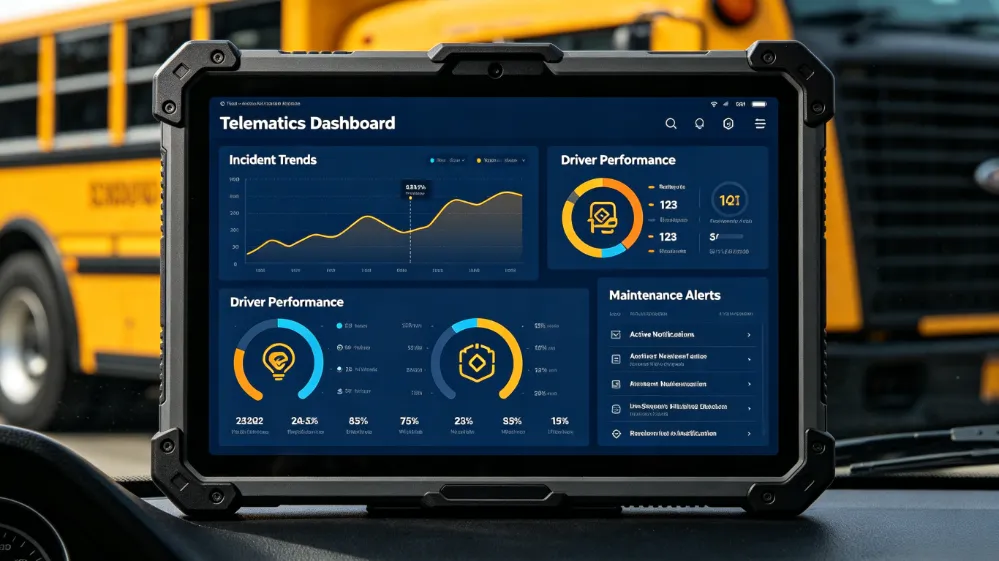
MDTs collect detailed data on engine health, idling time, and driving behavior. Excessive idling wastes fuel and causes unnecessary engine wear. By reviewing reports on idling habits, administrators can train drivers to turn off engines when parked.
The system can also track engine diagnostic codes. Instead of waiting for a breakdown, mechanics receive alerts when a vehicle needs service. This move toward preventative maintenance reduces costs and keeps the fleet on the road rather than in the shop.
Analyze Route Performance and Identify Bottlenecks
Data shows how long a route actually takes compared to the planned time. Terminals track stop durations, travel speeds, and arrival times. This information makes it easy to spot routes that consistently run behind schedule or areas that cause frequent traffic delays.
Transportation planners use this data to refine routes for the next semester. By making small adjustments based on hard evidence, districts can lower fuel use and keep buses on time.
Enhance Reporting and Compliance
State and federal agencies require accurate data for transportation funding and safety compliance. Manually collecting this information is a major burden for administrative staff. MDTs automate the process by recording the necessary data points throughout the school day. This makes annual reports easier to complete and ensures the district meets all regulatory requirements without additional paperwork.
Choosing and Implementing the Right School Bus MDT Solution
Picking an MDT system requires a focus on reliability and specific district needs. The hardware must survive the environment of a school bus.
Key Features to Consider in an MDT System
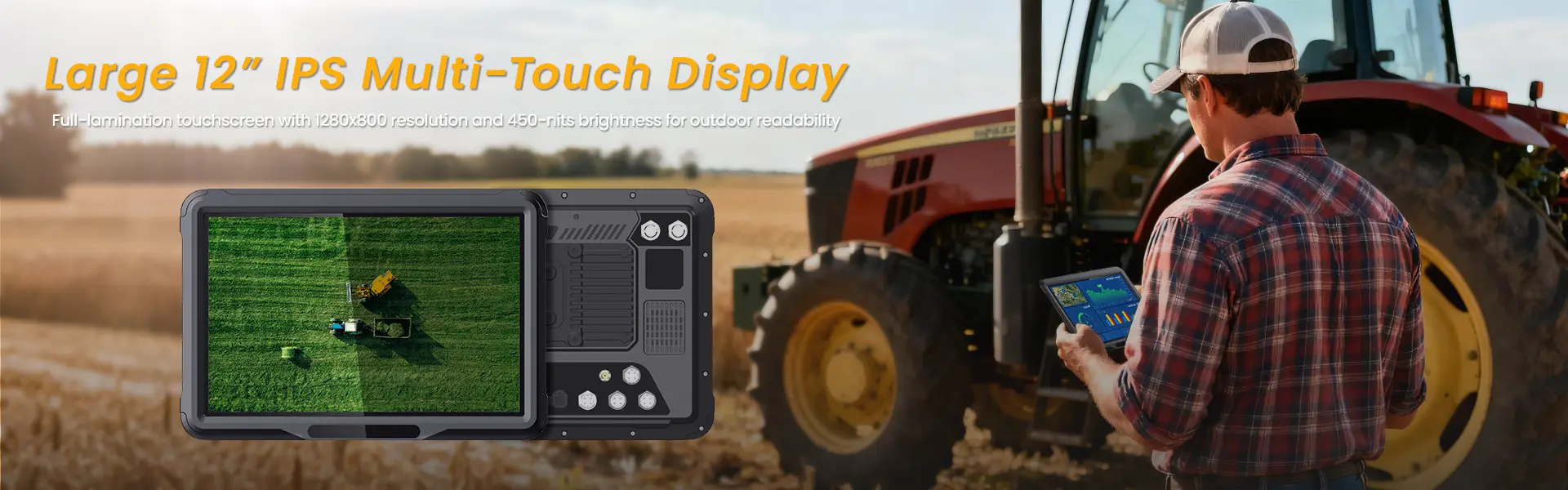
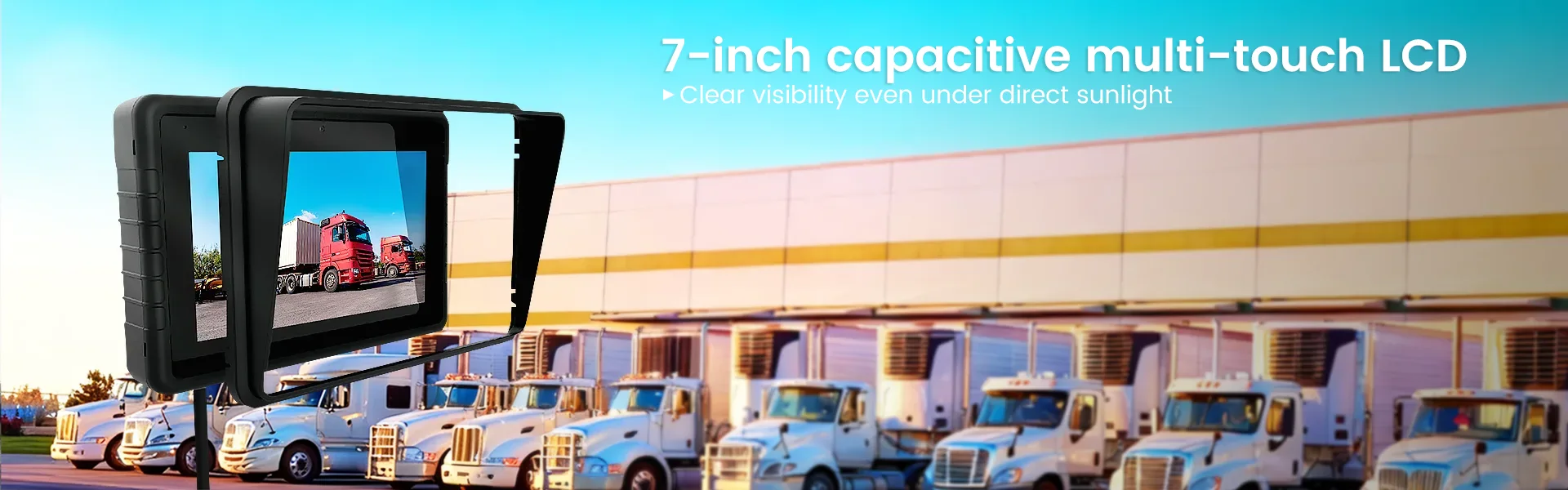
An MDT must be easy to use and reliable. Look for a screen that remains readable even in bright sunlight. The interface should be simple so drivers can perform tasks without looking away from the road for long periods.
Connectivity is also a priority. The terminal must maintain a steady connection to the network to transmit GPS data and messages. If cellular service drops, the unit should store the data and upload it once the connection returns.
The Importance of Ruggedized Hardware
A school bus is a harsh environment for electronics. Standard tablets or phones will fail quickly. Vibration, constant temperature changes, dust, and potential impact are daily realities.
You need hardware designed for these conditions. Look for devices with specific IP ratings for water and dust protection. Check for MIL-STD certifications, which show the device has passed testing for shock and vibration. Choosing high-quality, rugged hardware prevents constant replacements and system downtime.
Successful MDT Deployment Strategies
A successful rollout needs careful planning. Start with a pilot program on a small number of buses to test the system in your specific environment. This allows you to identify issues and gather feedback from drivers.
Involve your drivers, mechanics, and dispatchers in the selection and testing process. If the people using the tool feel heard, they are more likely to support the change. Finally, create a comprehensive training plan that covers every feature the drivers will use. Clear training and consistent support are the best ways to ensure the technology is adopted correctly.
Final Thoughts
Mobile Data Terminals are essential for modern school transportation. They provide a complete way to improve safety, increase efficiency, and gather the data needed for better operations.
These rugged tools give dispatchers real-time visibility, give drivers clear communication, and give administrators the insights they need. By using this technology, school districts can improve their service and make sure every student travels safely to and from school. While the shift to new technology takes effort and planning, the result is a safer and more responsive transportation fleet.
相关推荐内容
Latest Content
- 10‑inch Rugged Android Tablet – Durable High‑Performance Device
- Enhancing Trucking Operations with a Tablet for Truck Drivers
- Rugged Tablets for Outdoor Use: Durable, Reliable Devices for Harsh Environments
- Ruggedized Tablets for Construction: Durable Solutions for Harsh Environments
- Rugged Tablets for Public Safety: Choosing the Right Device
Hot product
- WMT6UQ: 6-Inch 4G Android 12 Wireless Carplay Navigator Motorcycle PND
- WT10RX: 10.1 inch rugged tablet,10.1″ sunlight-readable display,10.1" ip67 rugged tablet
- WT10MX: 10.1 inch rugged tablet 12,000 mAh,10.1″ IPS display Rugged IP65 design
- WT08Q9Y: 8 inch 10000mAh long battery rugged tablet,1000-nit rugged tablet,
- WT08M8Y: 8 inch Android 14,700-nits rugged tablet