Can Rugged Tablets for Forklifts Really Transform Material Handling Efficiency and Durability?
Rugged tablets designed specifically for forklifts enhance operational efficiency, durability, and safety in material handling environments by offering ruggedized hardware, intuitive software integration, and real-time data access, ultimately reducing downtime and improving productivity.

Why Choose Rugged Tablets for Forklifts?
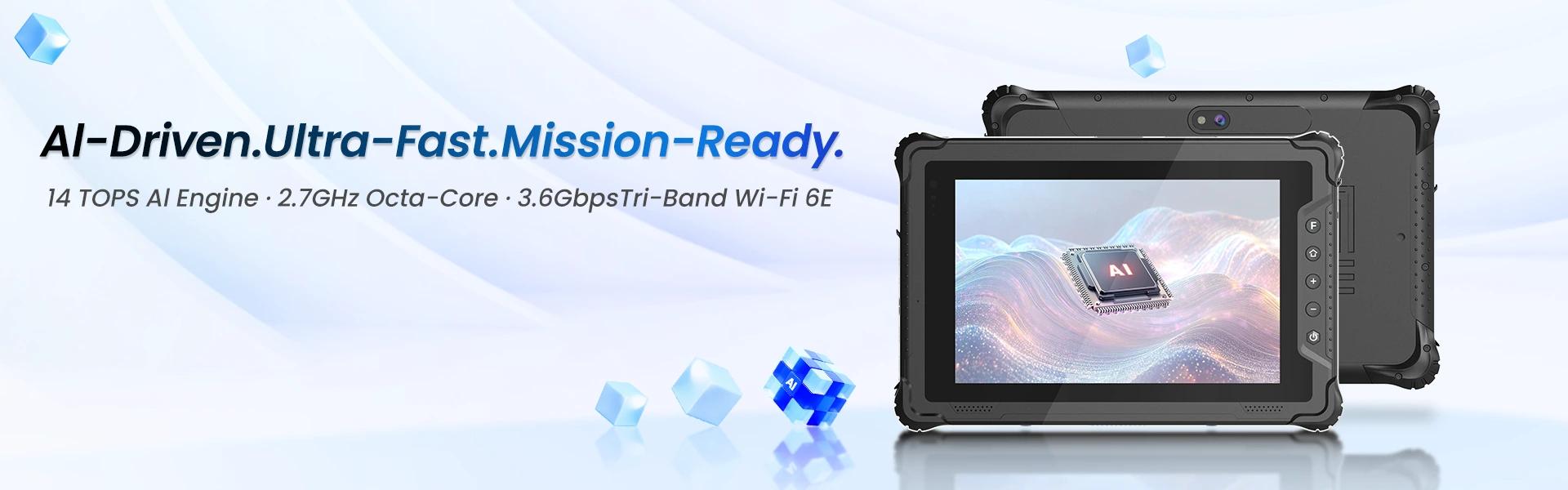
Rugged tablets are essential for modern forklift operations due to their enhanced durability and functional versatility.
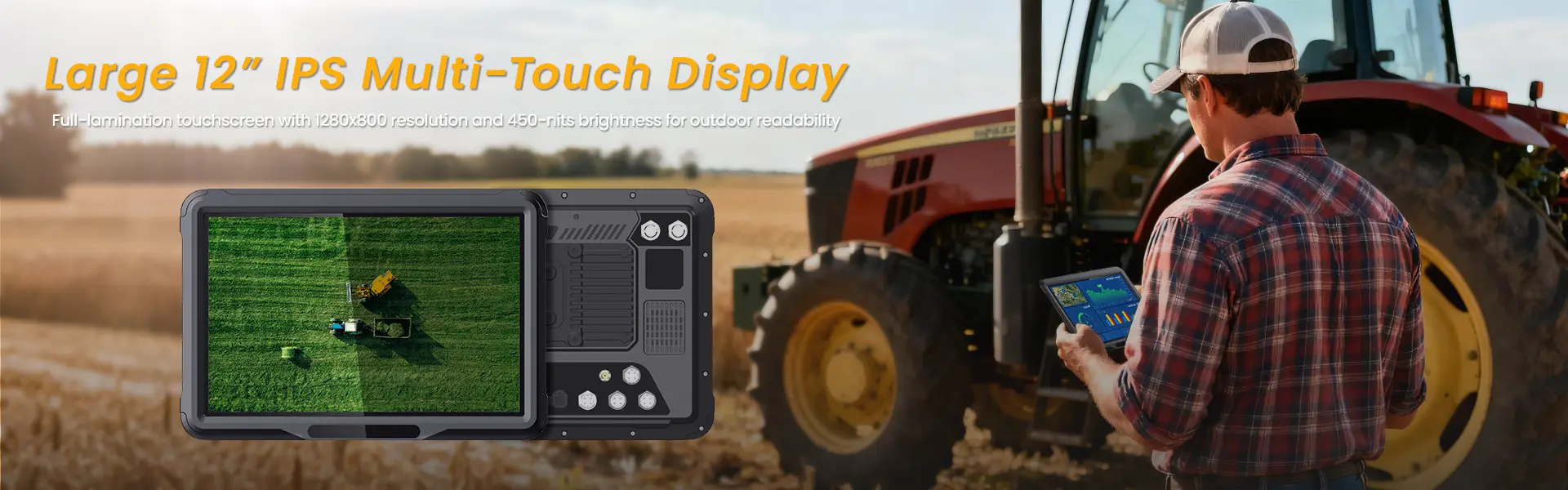
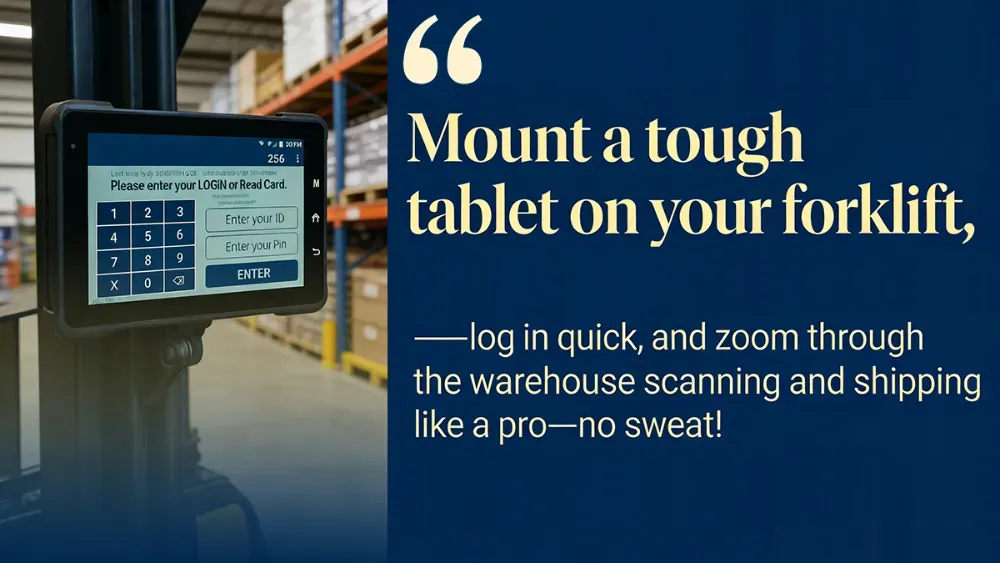
Material handling in warehouses and logistics centers demands equipment that can withstand harsh conditions while maintaining high performance. Regular consumer-grade tablets often fail under the stress of vibration, dust, moisture, and extreme temperatures—common challenges in forklift environments. Rugged tablets, however, are engineered with military-grade standards (e.g., MIL-STD-810H), IP67 or higher ingress protection ratings, and reinforced chassis to survive drops from heights up to 2 meters. Their built-in features like barcode scanners, RFID readers, GPS, and Wi-Fi/Bluetooth connectivity enable seamless integration with warehouse management systems (WMS), allowing operators to track inventory in real time without leaving the cab. This reduces manual errors, accelerates order fulfillment, and ensures compliance with safety protocols. Furthermore, these devices are optimized for one-handed operation via glove-friendly touchscreens and physical buttons, ensuring usability even in cold or wet conditions. By investing in rugged forklift tablets, companies achieve a measurable ROI through improved throughput, reduced equipment failure rates, and better workforce safety.
Key Advantages at a Glance
| Feature | Standard Tablet | Rugged Forklift Tablet | Impact on Operations |
|---|---|---|---|
| Drop Resistance | Low (1–2 ft) | High (up to 6 ft / 1.8m) | Reduced replacement cost |
| Dust/Water Protection | Minimal (IP54 max) | IP67/IP68 rated | Safe use in dirty/wet zones |
| Temperature Range | -10°C to 50°C | -30°C to 70°C | Reliable in extreme climates |
| Battery Life | 6–8 hrs | Up to 16 hrs (hot-swappable) | Full shift operation |
| Touch Sensitivity | Bare hand only | Glove-compatible + stylus support | Faster input in all conditions |
| Connectivity | Basic Wi-Fi/BT | Full cellular, RFID, Barcode, GNSS | Real-time tracking & automation |
| Mounting Options | None | VESA, magnetic, clamp-on mounts | Secure installation on forklifts |
Table 1: Comparison between standard tablets and purpose-built rugged tablets for forklift applications.
This comparison illustrates why relying on off-the-shelf technology leads to frequent breakdowns and workflow disruptions—whereas rugged tablets offer robustness tailored to industrial needs.

How Do Rugged Tablets Improve Safety and Compliance?
Rugged tablets significantly enhance workplace safety and regulatory compliance through integrated monitoring and alert systems.
Safety is paramount in any material handling facility, especially when operating heavy machinery like forklifts. Rugged tablets come equipped with advanced safety modules such as proximity sensors, speed limiters, and collision avoidance alerts that integrate directly into the device interface. Operators receive instant warnings if they approach blind spots or exceed safe speeds, helping prevent accidents before they happen. Additionally, many models include ELD (Electronic Logging Device) functionality compliant with OSHA and DOT regulations, automatically recording operator hours, breaks, and vehicle status logs. This eliminates paper-based recordkeeping errors and simplifies audit trails during inspections. Some systems also support two-way voice communication between drivers and dispatch centers using push-to-talk (PTT) features, enabling quick coordination during emergencies. These capabilities not only protect workers but also reduce liability risks and avoid costly fines associated with non-compliance. Companies adopting rugged forklift tablets have reported up to a 40% decrease in near-miss incidents within six months of deployment.
What Software Features Maximize Operational Efficiency?
Purpose-built software ecosystems unlock maximum value from rugged tablets by streamlining workflows and enabling predictive analytics.
Hardware alone isn’t enough—the true power lies in compatible software solutions designed specifically for material handling tasks. Leading providers offer cloud-connected platforms that sync data across multiple devices and locations, providing centralized visibility over fleet performance, inventory levels, and maintenance schedules. For example, a warehouse manager can monitor real-time stock movements via dashboards displayed on forklift-mounted tablets, triggering automatic reordering thresholds when items dip below preset limits. Predictive algorithms analyze usage patterns to forecast potential component failures, prompting preventive maintenance before breakdowns occur. Integration with major ERP and WMS platforms (such as SAP, Oracle, Microsoft Dynamics, or NetSuite) ensures smooth data flow between back-office systems and field operations. Mobile apps allow supervisors to assign tasks dynamically based on worker location and workload balance, minimizing idle time. Moreover, voice-command interfaces enable hands-free navigation, letting operators focus entirely on driving while receiving prompts about pick locations or loading instructions—all critical for boosting productivity in fast-paced distribution centers.

Where Should You Deploy Rugged Forklift Tablets?
Strategic placement of rugged tablets in key areas yields disproportionate gains in overall supply chain agility.
While every forklift benefits from onboard computing, certain zones see amplified returns when leveraging tablet intelligence. In high-volume picking aisles, tablets connected to zone-specific cameras help verify correct item selection against digital manifests, drastically cutting mis-pick rates. At cross-docking stations, handheld units paired with conveyor scanners accelerate sorting processes by instantly validating shipment contents against destination codes. Outside loading docks, weatherproof tablets coordinate trailer arrivals and departures using GPS geofencing, reducing congestion and idle fuel consumption. Even in outdoor storage yards used for bulk materials or seasonal goods, solar-powered rugged tablets stationed at entry points log incoming/outgoing cargo with timestamped photos and signatures, creating immutable audit records essential for insurance claims or customer disputes. When combined with IoT-enabled smart shelving or automated guided vehicles (AGVs), these tablets become nodes in an interconnected ecosystem capable of self-optimizing routes and allocating resources intelligently. The result? A holistic transformation where each unit contributes meaningfully toward leaner, faster, more resilient operations.
Are There Cost Considerations Beyond Initial Purchase Price?
Total cost of ownership (TCO) favors rugged tablets despite higher upfront costs due to longevity and reduced operational friction.
It’s tempting to opt for cheaper alternatives initially, but long-term financial analysis reveals that rugged tablets deliver superior TCO. While a consumer tablet may cost $300–$500 versus $1,200–$2,500 for its rugged counterpart, replacements every 9–12 months quickly add up—especially considering lost productivity during downtimes. Conversely, rugged models typically last 5–7 years with proper care, amortizing their expense over much longer periods. Also factored in are indirect savings: fewer training sessions needed because intuitive UIs require minimal learning curve; lower IT support tickets since enterprise-grade diagnostics simplify troubleshooting; and avoided penalties from missed delivery windows caused by system crashes. Many vendors now offer leasing programs or subscription-based licensing tiers including warranty coverage, updates, and technical assistance—all bundled into predictable monthly fees. As a rule of thumb, organizations switching from legacy POS terminals or basic laptops to dedicated rugged platforms report payback periods under 18 months driven primarily by labor optimization and asset protection metrics.
Frequently Asked Questions (FAQ)
Q1: Can I customize my rugged tablet’s OS?
A: Yes, most manufacturers provide Android Enterprise or Windows 10 IoT Core editions with configurable lock-down policies restricting access to unauthorized apps or settings. Custom branding, preloaded workspaces, and API hooks for third-party tools are commonly supported.
Q2: Do these devices support offline mode?
A: Absolutely! All reputable rugged tablets include local storage caches and sync engines that queue transactions when connectivity drops, resuming once restored—a vital feature in large facilities where signal strength varies.
Q3: What kind of mounting hardware comes included?
A: Most kits contain universal brackets compatible with ISO-standard forklift masts, plus optional accessories like suction cups, magnetic bases, or custom-fit enclosures depending on model type.
Q4: Is there ongoing firmware/software update support?
A: Reputable vendors commit to at least 3–5 years of security patches and feature releases post-launch, often delivered OTA (over-the-air) to minimize disruption.
Q5: Can I connect external peripherals easily?
A: Via USB-C, Bluetooth LE, or proprietary expansion ports, you can attach barcode guns, thermal printers, headsets, or even secondary displays depending on application requirements.
相关推荐内容
Latest Content
- Why Choose Rugged Tablets for Construction: A Comprehensive Guide to Durability and Performance?
- What Are the Best 10 Inch Rugged Android Tablets for Durability and Performance?
- What is a school bus tablet? How does a school bus tablet improve safety?
- How to Choose Rugged Tablets for School Buses?
- School Bus MDT Guide – Rugged Mobile Data Terminals for Student Transportation
Hot product
- WMT6UQ: 6-Inch 4G Android 12 Wireless Carplay Navigator Motorcycle PND
- WT10RX: 10.1 inch rugged tablet,10.1″ sunlight-readable display,10.1" ip67 rugged tablet
- WT10MX: 10.1 inch rugged tablet 12,000 mAh,10.1″ IPS display Rugged IP65 design
- WT08Q9Y: 8 inch 10000mAh long battery rugged tablet,1000-nit rugged tablet,
- WT08M8Y: 8 inch Android 14,700-nits rugged tablet