Bedside Terminal Selection Guide: Key Specs, Benefits & OEM Solutions for Hospitals
In modern healthcare environments, the efficiency of patient care is often defined by the speed and accuracy of data access at the point of care. The bedside terminal has evolved from a simple information display into a critical hub for nursing staff, doctors, and patients alike. Whether it is a wall-mounted rugged tablet or a handheld mobile data terminal (MDT) docked at the bedside, these devices facilitate real-time access to Electronic Health Records (EHR), medication administration records (MAR), and patient communication.
For hospital administrators, IT directors, and procurement officers, selecting the right bedside terminal is not just about finding a durable screen; it is about ensuring seamless integration with existing hospital infrastructure, meeting strict hygiene and safety standards, and reducing operational costs. This guide breaks down the essential features, technical specifications, and OEM/ODM considerations to help you make an informed decision.
What is a Bedside Terminal?
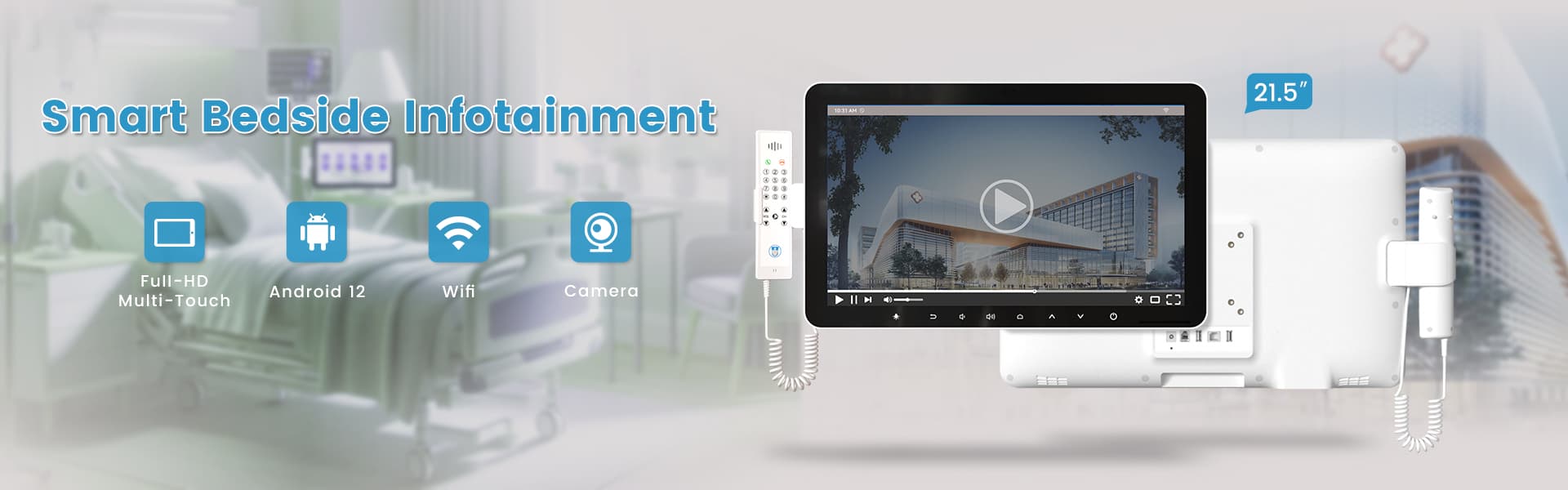
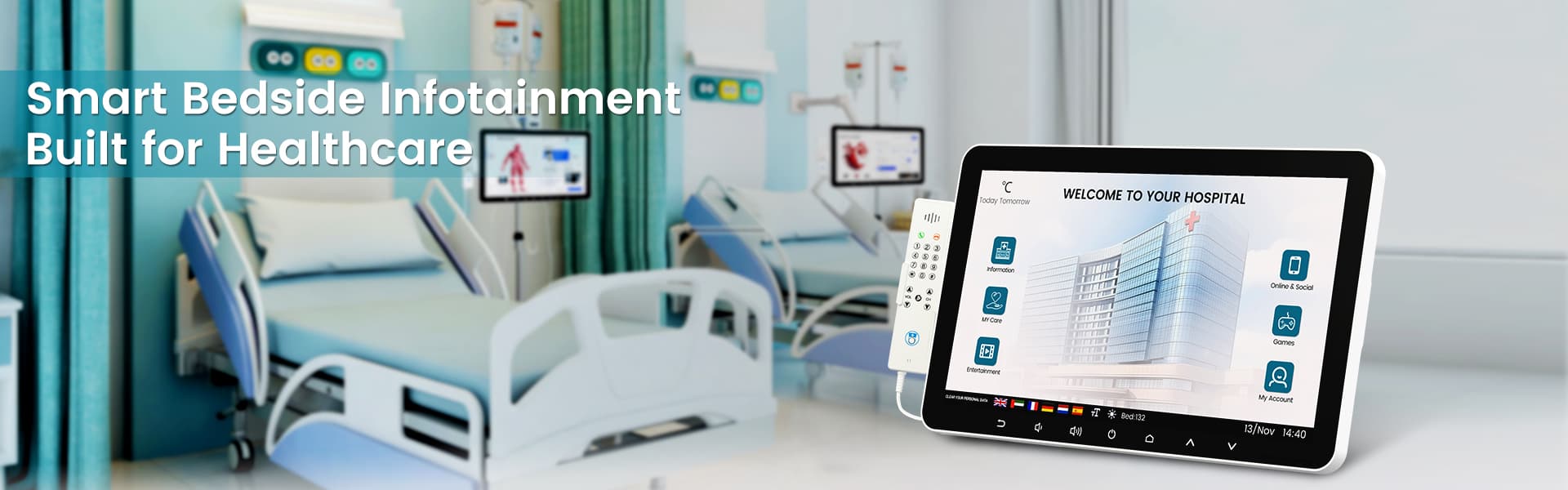
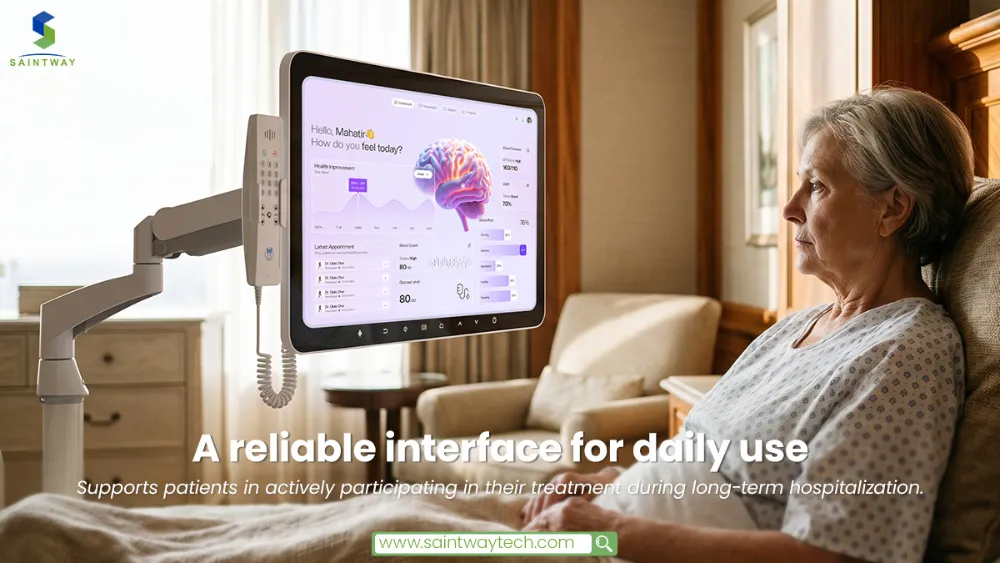
A bedside terminal is a specialized computing device installed at the patient’s location (bedside) in hospitals, clinics, or long-term care facilities. Unlike general-purpose consumer tablets, these devices are designed for 24/7 operation in demanding medical environments.
Core Functions:
- Patient Identification: Displaying patient demographics, allergies, and care plans.
- Clinical Workflow Support: Enabling nurses to scan barcodes for medication administration and patient identity verification.
- Communication: Facilitating video calls with family or remote consultations.
- Entertainment & Education: Providing access to approved content to improve patient satisfaction scores.
Key Difference from Standard Tablets:
While consumer tablets offer flexibility, bedside terminals prioritize ruggedness, hygiene, security, and fixed infrastructure integration (power, network, and mounting) over portability.
Critical Technical Specifications to Consider
When evaluating bedside terminals for your facility, focus on these technical pillars. These factors directly impact device longevity, security, and user experience.
1. DURABILITY AND RUGGEDIZATION
Hospital environments are harsh. Devices are exposed to chemical disinfectants, physical impacts, and varying temperatures.
- IP Rating: Look for at least IP65 (dust-tight and protected against water jets) or higher. This ensures the device can withstand aggressive cleaning protocols.
- Drop Resistance: MIL-STD-810G/H certification is a standard benchmark for drop testing from heights of 1.2m to 1.5m onto concrete.
- Material: Polycarbonate or magnesium alloy chassis are preferred for their impact resistance and weight distribution.
2. DISPLAY AND USABILITY
The screen is the primary interface for both staff and patients.
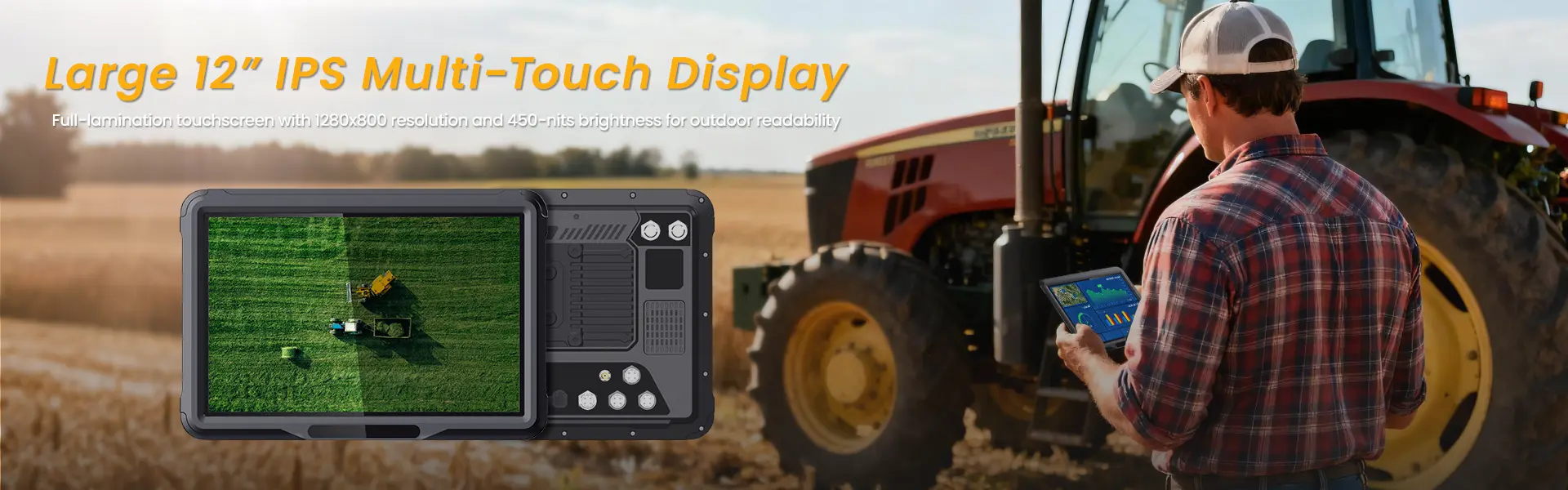
- Size: 10-inch to 12-inch screens are standard for wall-mounted units, providing enough real estate for complex EHR interfaces.
- Touch Technology: Capacitive multi-touch (10-point) is essential for smooth operation with gloves. Glove-touch capability is a critical feature for nursing staff.
- Brightness: Minimum 400 nits is recommended to ensure readability in brightly lit hospital rooms.
3. CONNECTIVITY AND INTEGRATION
Seamless data flow is non-negotiable.
- Network: Dual-band Wi-Fi (2.4GHz/5GHz) with support for enterprise security standards (WPA2-Enterprise). Some facilities require wired Ethernet or Power over Ethernet (PoE) for reliability.
- Peripherals: USB 3.0 ports for barcode scanners, RFID readers, or vital sign monitors.
- OS Compatibility: Android (most common for rugged OEMs) or Windows (for legacy EHR systems). Ensure the OS version is long-term supported.

4. HYGIENE AND SAFETY
- Sanitization: The surface must be resistant to common hospital disinfectants (e.g., chlorine, alcohol, quaternary ammonium compounds).
- Certifications: CE, FCC, and RoHS are basic. For medical use, ensure the device meets IEC 60601-1 (Medical Electrical Equipment) if it interacts with patient monitoring devices.
Benefits of Deploying Bedside Terminals
Investing in dedicated bedside terminals yields measurable ROI across several areas of hospital operations.
1. IMPROVED PATIENT SAFETY
Real-time access to patient data at the bedside reduces errors in medication administration and patient identification. Barcode scanning integrated into the terminal workflow ensures the “Five Rights” (right patient, right drug, right dose, right route, right time) are verified digitally.
2. ENHANCED STAFF EFFICIENCY
Nurses spend less time walking to central stations to check records or print labels. Immediate access to MAR and care plans at the point of care speeds up documentation and allows more time for direct patient interaction.
3. INCREASED PATIENT SATISFACTION
Patients increasingly expect digital engagement. Bedside terminals with entertainment, communication, and information display features contribute to higher HCAHPS (Hospital Consumer Assessment of Healthcare Providers and Systems) scores, which directly impact hospital reimbursement rates.
4. DATA SECURITY AND CONTROL
Unlike BYOD (Bring Your Own Device) or shared staff tablets, dedicated bedside terminals are managed via Mobile Device Management (MDM) or Enterprise Mobility Management (EMM) platforms. This allows IT departments to enforce security policies, remotely wipe data, and restrict app access, ensuring patient privacy (HIPAA compliance).
OEM/ODM Customization: Why It Matters for B2B Buyers
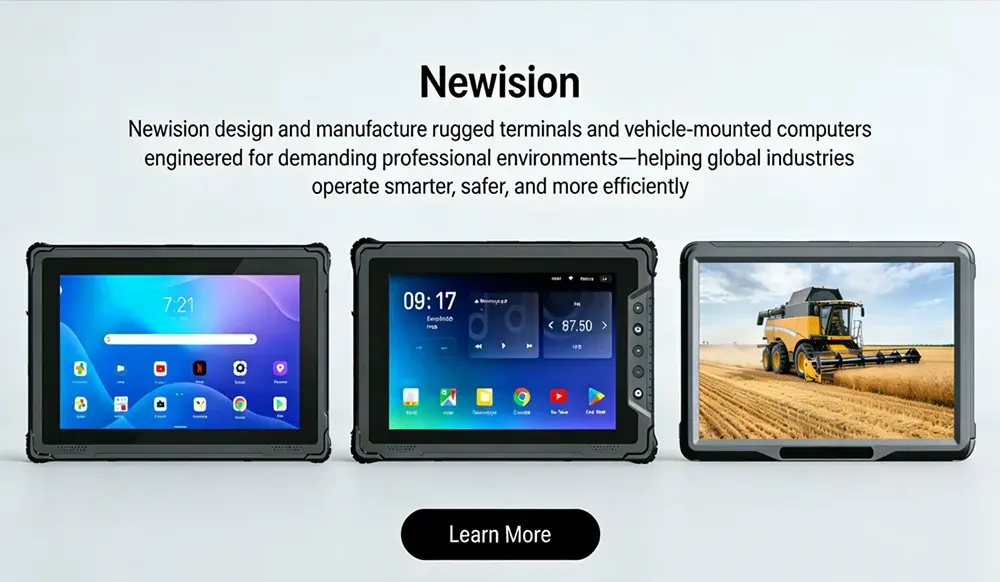
Off-the-shelf rugged tablets may not meet specific hospital needs. Partnering with a specialized OEM/ODM provider like Newision offers distinct advantages:
- Custom Hardware Configuration: Choose specific CPU power, RAM, and storage based on EHR demands. Add dedicated buttons for emergency alerts or nurse call systems.
- Branding and Aesthetics: Custom color schemes, logos, and bezel designs to match hospital branding.
- Software Pre-loading: Pre-install specific EHR clients, video conferencing tools, or custom kiosk modes to lock down the device to approved applications.
- Mounting Solutions: Custom wall brackets, swing arms, or cart mounts designed for specific room layouts.
- Supply Chain Reliability: For hospitals and distributors, consistent supply is critical. OEM partners provide stable production schedules and global logistics support.
Pro Tip: When discussing OEM options, request a prototype for a pilot program in one ward before full-scale deployment. This allows you to test the device’s integration with your specific EHR and cleaning protocols.
Comparison: Bedside Terminal vs. Handheld MDT vs. In-Vehicle Tablet
While all are rugged computing devices, their use cases differ significantly.
| Feature | Bedside Terminal | Handheld MDT (Mobile Data Terminal) | Rugged In-Vehicle Tablet |
|---|---|---|---|
| :— | :— | :— | :— |
| Primary Use | Fixed patient care, info display | Field data entry, mobile nursing | Logistics, fleet management, field service |
| Mobility | Fixed (Wall/Cart Mounted) | Highly Portable | Semi-Fixed (Vehicle Mount) |
| Connectivity | Wi-Fi/Ethernet (Stable) | Wi-Fi/Cellular (Variable) | Wi-Fi/Cellular (High Latency Tolerance) |
| Durability Focus | Chemical Resistance, Drop | Drop, Vibration, Water | Vibration, Heat, Dust |
| Display Size | 10″-12″ | 5″-8″ | 10″-12″ |
| Power | Continuous AC/DC | Battery (8-12 hrs) | Battery + Vehicle Power |
| Target User | Nurses, Patients, Doctors | Technicians, Sales, Field Staff | Drivers, Mechanics, Inspectors |
Note: Newision specializes in providing rugged solutions across all these categories, allowing for unified procurement strategies for multi-site operations.

How to Choose the Right Bedside Terminal Partner
When selecting a supplier, consider the following checklist:
- Technical Support: Does the vendor provide 24/7 technical support and firmware updates?
- MDM Compatibility: Ensure the device is certified with major MDM platforms (e.g., VMware AirWatch, Microsoft Intune, MobileIron).
- Scalability: Can the partner handle large-volume orders for new hospital wings or multi-site rollouts?
- After-Sales Service: What is the warranty period? Is there a local service center for rapid repair?
- Compliance: Verify all necessary certifications for your region (FDA, CE, etc.).
Frequently Asked Questions (FAQ)
Q: Can bedside terminals integrate with any EHR system?
A: Most modern bedside terminals run on Android or Windows and support standard web-based EHR interfaces. However, compatibility depends on the specific EHR’s browser requirements and security protocols. It is recommended to test the device with your EHR vendor before purchase.
Q: How do we maintain the hygiene of bedside terminals?
A: Devices with IP65+ ratings and anti-microbial coatings are designed to withstand daily cleaning with hospital-grade disinfectants. Avoid using abrasive materials. Newision devices are tested for resistance to common hospital sanitizers.
Q: What is the typical lifespan of a bedside terminal?
A: With proper maintenance, a rugged bedside terminal can last 5-7 years, outperforming consumer tablets which typically last 2-3 years in such environments.
Q: Do bedside terminals support video calls?
A: Yes, most models include high-quality cameras and microphones, and support VoIP applications for secure video consultations with patients or family members.
Conclusion
Selecting the right bedside terminal is a strategic decision that impacts patient safety, staff efficiency, and operational costs. By prioritizing ruggedness, connectivity, and customization, healthcare organizations can deploy reliable devices that integrate seamlessly into their workflow.
For B2B buyers, partnering with a specialized OEM/ODM provider ensures that the hardware aligns with specific clinical and technical requirements. Whether you need a standard rugged tablet or a fully customized bedside solution with proprietary mounting and software, the right partner can make all the difference.
Ready to upgrade your facility’s point-of-care technology?
Contact Newision today for a custom quote and technical consultation. We offer flexible OEM/ODM services for bedside terminals, MDTs, and rugged tablets, ensuring your deployment is secure, efficient, and scalable.
[Get a Quote for Your Bedside Terminal Project]
相关推荐内容
Latest Content
- Fleet Management Canada: 2026 Guide to Telematics & Compliance
- Rugged Tablets for Taxi Fleets: 2026 Selection Guide & TCO Analysis
- Rugged Tablet for Digital Mining: The Essential Guide to Durability in the Field
- Sunlight Readable Tablet: The Ultimate Guide to Choosing the Right Display for Outdoor Work
- Mobile Device Management (MDM) Solutions: The Complete Guide for 2026
Hot product
- WMT6UQ: 6-Inch 4G Android 12 Wireless Carplay Navigator Motorcycle PND
- WT10RX: 10.1 inch rugged tablet,10.1″ sunlight-readable display,10.1" ip67 rugged tablet
- WT10MX: 10.1 inch rugged tablet 12,000 mAh,10.1″ IPS display Rugged IP65 design
- WT08Q9Y: 8 inch 10000mAh long battery rugged tablet,1000-nit rugged tablet,
- WT08M8Y: 8 inch Android 14,700-nits rugged tablet