
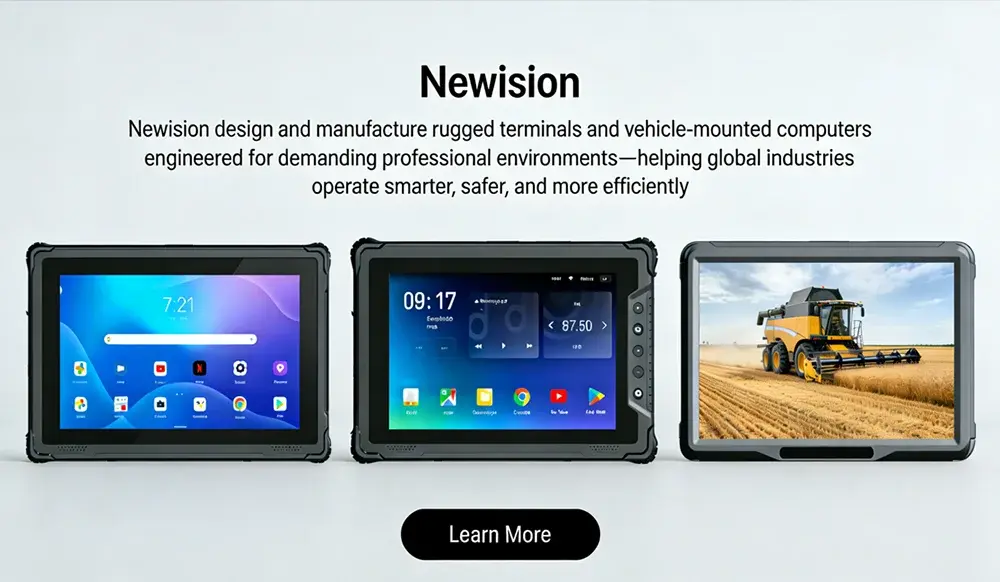
Rugged Tablet for Digital Mining: The Essential Guide to Durability in the Field
Geologists, drillers, and site engineers working in digital mining face a hostile reality: the environment destroys standard consumer electronics. A cracked screen in the field means lost data, delayed assays, and safety risks. When selecting a rugged tablet for digital mining, you are not just buying a device; you are purchasing critical infrastructure that must withstand extreme temperature swings, dust infiltration, and heavy impacts. This guide breaks down exactly which specifications matter, how to choose the right industrial-grade hardware for your exploration phase, and which models currently lead in the global mining sector.
Why Standard Laptops and Tablets Fail in Mining
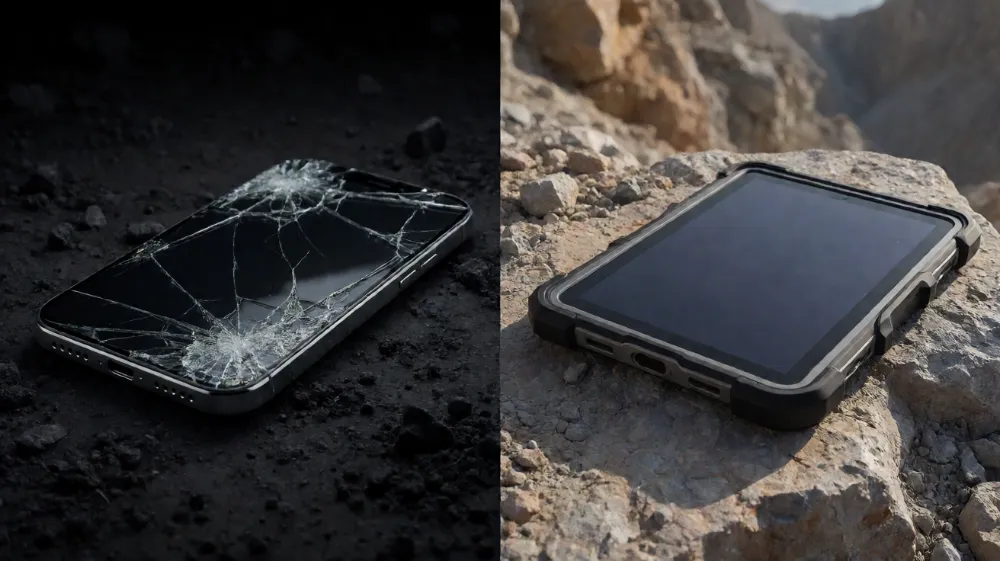
In traditional mining workflows, data collection relied on paper clipboards or basic PDAs. The shift to digital mining involves complex 3D geological modeling, real-time sensor integration, and immediate satellite uplink. Standard consumer tablets lack the physical resilience required for this workflow. A drop on a rocky outcrop will shatter a glass back; a pocket of flour-dust clogs a standard battery port. Furthermore, lithium-ion batteries in consumer devices struggle in high-altitude or sub-zero environments, leading to premature shutdowns.
Miners need a device that adheres to MIL-STD-810H standards. This military specification ensures the tablet survives drops, thermal shock, and humidity. For digital mining, the tablet must also integrate seamlessly with industry-standard software such as ArcGIS, Surpac, Datamine, or proprietary fleet management systems.
Key Technical Specifications for Mining-Grade Tablets
When evaluating a rugged tablet for digital mining, look beyond the marketing brochure. Focus on these non-negotiable parameters:
- IP Rating: Minimum IP65 is required to prevent dust ingress and water jets. IP67 is preferred for wash-down procedures or muddy conditions.
- Operating Temperature: Ranging from -20°C to 60°C. This range covers high-altitude Andes expeditions to deep Australian mines.
- Battery Swapping: Hot-swappable batteries are critical. If the primary battery degrades, the unit must remain powered so you do not lose unsynced data.
- Storage Capacity: Minimum 128GB internal storage. Mining datasets, including borehole collars and sample assays, are data-heavy. MicroSD expansion slots are a significant plus.
- Connectivity: 4G LTE or 5G capability is essential for remote sites with limited Wi-Fi. Bluetooth 5.0 ensures stable connections to handheld GPS units and drone sensors.
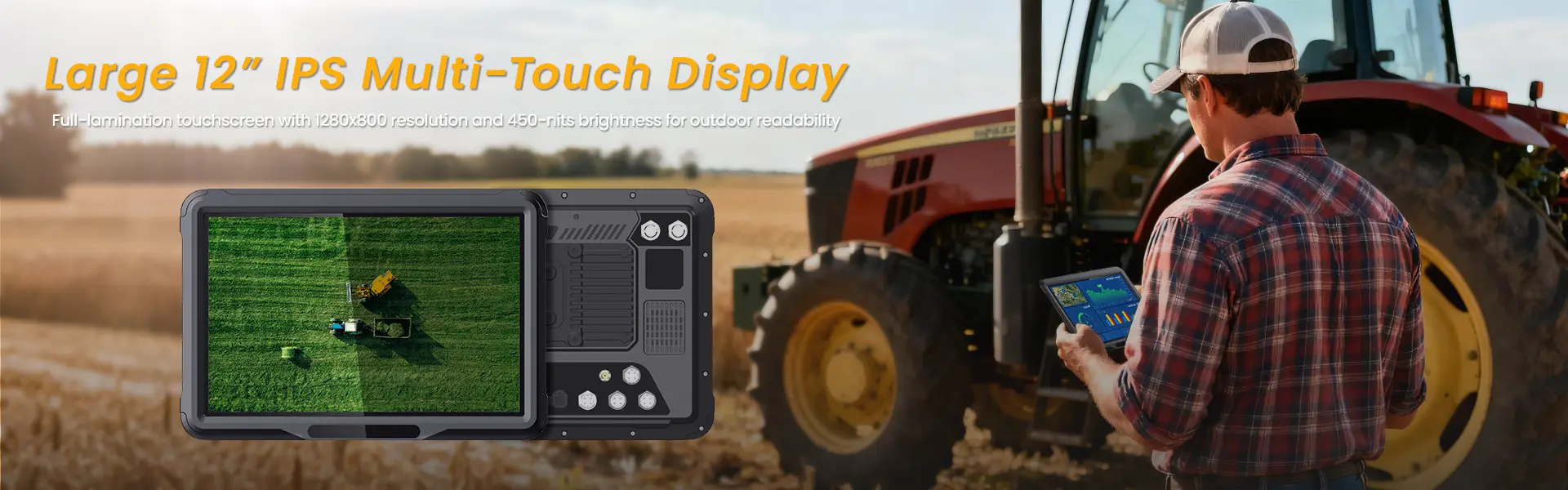
- Display: 10-inch to 12-inch Gorilla Glass or Corning® Gorilla® Glass with an anti-reflective coating. High brightness (400 nits minimum) is vital for sunlight visibility.
Top Contenders: Specification Comparison
Below is a comparison of the leading industrial tablets trusted by major mining firms. Note that “Ruggedization” refers to the degree of protection against environmental hazards.
| Feature | Zebra TC53 | Panasonic TOUGHBOOK T-64 | Getac F110 | Dell Rugged Rugged 7000 |
|---|---|---|---|---|
| Form Factor | Tablet | Tablet | Tablet | Tablet |
| OS | Windows 11 / Android | Windows 10/11 Pro | Windows 11 Pro | Windows 10/11 Pro |
| IP Rating | IP65 | IP67 | IP65 | IP65 |
| Drop Spec | 1.8m onto concrete | 1.2m onto concrete | 1.5m onto concrete | 1.8m onto concrete |
| Temp Range | -10°C to 50°C | -10°C to 50°C | -20°C to 60°C | -20°C to 50°C |
| Battery Life | 14 hours | 18 hours | 12 hours | 15 hours |
| Best For | Android-based GIS | Windows-based modeling | Extreme cold environments | Enterprise fleet management |
| Storage | Up to 256GB | Up to 1TB | Up to 512GB | Up to 256GB |
Note: Specific configurations may vary by region and supplier. Always verify current firmware support for GIS mapping software before purchase.
Practical Applications in the Mining Lifecycle
Different stages of the mining value chain require different hardware capabilities.
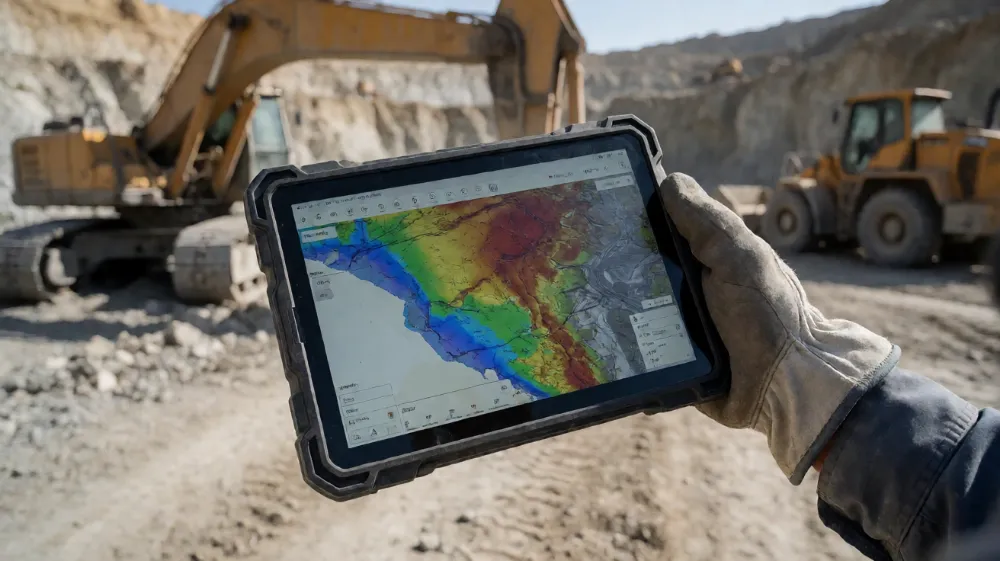
1. Exploration and Prospect Mapping Geologists spend days in dense jungle or arid deserts. Here, the tablet acts as the primary map viewer. A rugged tablet for digital mining must have high-precision touch interfaces. Glove mode is essential; workers wearing protective gloves need to mark points on a map without removing hand protection. High-contrast displays ensure readability under direct solar radiation.
2. Drill Site Operations At the drill rig, the tablet connects via Bluetooth to the driller’s data logger. It records hole depth, azimuth, and inclination. The environment is noisy and dusty. The device must be shock-resistant to vibration from air compressors. Quick data backup is crucial. If the power cuts out, the tablet must auto-save the current borehole string instantly.
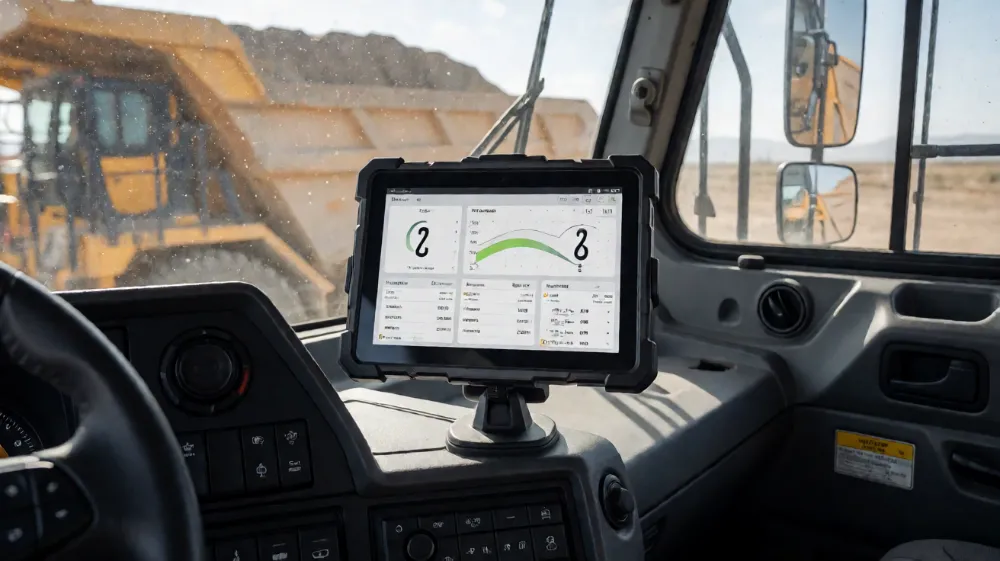
3. Haul Truck and Fleet Management Mining contractors use tablets to log fuel, maintenance, and tire pressure for haul trucks. These devices often sit in vehicle dashboards exposed to extreme heat. They require robust cooling solutions and stable LTE connections to upload logs to the central ERP system (SAP or Oracle) in real-time.
Solving Common Field Challenges
Challenge: Data Syncing in Remote Areas Mining sites are often off-grid. A smart rugged tablet includes dual-SIM capabilities. One SIM operates on the local carrier; the other operates on a satellite link. When the cellular signal drops, the tablet automatically switches to satellite mode to sync critical assay data. This prevents the “data silo” problem where samples are processed but not recorded in the central database.
Challenge: User Interface Complexity Mining software like Datamine or Vulcan can have steep learning curves. Modern rugged tablets support stylus input. The capacitive screen accepts both finger touch and active stylus, allowing for precise point plotting in geological models. Look for models with pressure sensitivity to distinguish between a quick tap and a detailed annotation.
Challenge: Power Management In remote camps, power is scarce. The T-64 series and Zebra TC53 utilize low-power states. They can suspend to disk and resume in seconds. This allows a user to save work without draining the battery overnight. Furthermore, most high-end rugged tablets support USB Power Delivery, meaning they can charge via solar panels or vehicle 12V adapters.
Maintenance and Lifecycle Considerations
A rugged tablet is a multi-year investment. Plan for the following:
- Screen Replacement: Gorilla Glass panels are available as standalone parts. If the screen cracks, a field technician can swap the panel in under 15 minutes, preserving the internal data.
- Firmware Updates: Ensure the supplier offers over-the-air (OTA) updates. Security patches are vital for preventing ransomware attacks on connected mining equipment.
- Warranty Terms: Industrial vendors typically offer 3-year proactive warranties. This includes on-site repair. If a device fails in the field, the vendor sends a technician or a replacement unit rather than requiring the user to ship it back to a factory.
FAQ
Is a Windows-based tablet better than Android for digital mining tasks?
Generally, yes, for detailed geological modeling. Software like Surpac and Gemma runs natively on Windows 11. Android tablets are excellent for lightweight GIS data collection and asset tracking, but they lack the processing power for heavy 3D simulation. If your workflow involves complex ore-body reconstruction, choose a Windows-based rugged tablet for digital mining.
Can I charge a rugged tablet using a vehicle’s 12V power socket?
Most industrial tablets support 12V to 24V input via proprietary docking stations or universal USB-C adapters. However, ensure the adapter matches the specific voltage profile of the device. Do not use consumer fast-charging bricks, as they may overheat the battery management system in the rugged chassis.
How do I ensure my tablet complies with mine site safety regulations?
Many underground mines require ATEX or IECEx certification for any electrical equipment. Surface mining usually only requires standard industrial durability. Before purchasing, verify with your HSE (Health, Safety, and Environment) department if your specific site requires explosion-proof (intrinsically safe) electronics. Standard rugged tablets are not ATEX-certified and are prohibited in volatile gas zones.
Selecting the Right Partner
Choosing the right hardware is only half the battle. The other half is support. A reputable industrial distributor will provide pre-configuration, imaging software installation, and 24/7 technical support. They understand that a downed tablet during a sampling shift is a costly emergency.
If you are preparing to upgrade your field technology or launching a new exploration campaign, do not compromise on durability. Connect with an industrial technology specialist to assess your specific workflow requirements. We can provide a free consultation on selecting the optimal rugged tablet for digital mining, including software integration and fleet deployment strategies. Contact us today to secure a quote for your next batch of field-ready devices.
相关推荐内容
Latest Content
- Sunlight Readable Tablet: The Ultimate Guide to Choosing the Right Display for Outdoor Work
- Mobile Device Management (MDM) Solutions: The Complete Guide for 2026
- Rugged Tablet for Mining: Specs, Comparison & Buyers Guide
- Rugged Tablet for Fleet Management: The 2026 Guide to Choosing the Right Device
- Tablet Management for Trucking Fleets 2026 – Best Practices, Software & ROI Guide
Hot product
- WMT6UQ: 6-Inch 4G Android 12 Wireless Carplay Navigator Motorcycle PND
- WT10RX: 10.1 inch rugged tablet,10.1″ sunlight-readable display,10.1" ip67 rugged tablet
- WT10MX: 10.1 inch rugged tablet 12,000 mAh,10.1″ IPS display Rugged IP65 design
- WT08Q9Y: 8 inch 10000mAh long battery rugged tablet,1000-nit rugged tablet,
- WT08M8Y: 8 inch Android 14,700-nits rugged tablet