
Rugged Tablet for Mining: Specs, Comparison & Buyers Guide
Selecting the right rugged tablet for mining is no longer just about finding a device that survives a drop. For mine managers, site supervisors, and IT directors, the challenge is finding a tablet that withstands the specific, relentless hazards of underground and surface mining operations while maintaining connectivity and operational efficiency. The modern mining environment is defined by extreme temperatures, constant exposure to dust and moisture, and the physical rigors of heavy machinery zones. A standard commercial-grade tablet will fail in these conditions, leading to data loss, safety hazards, and costly downtime. This guide breaks down exactly what specifications matter when choosing a rugged tablet for mining, compares top-tier hardware options, and outlines how to integrate these devices into your daily workflow to maximize safety and productivity.
The primary intent of this search is commercial and informational. You are likely evaluating vendors for a fleet upgrade or replacing broken commercial tablets that keep failing on site. You need concrete data on IP ratings, operating temperature ranges, and software compatibility to make a justified purchase. We will address the specific pain points of mine site operations, including hazardous area certifications, connectivity in dead zones, and the need for real-time data streaming for autonomous equipment monitoring.
Why Commercial Tablets Fail in Mining Operations
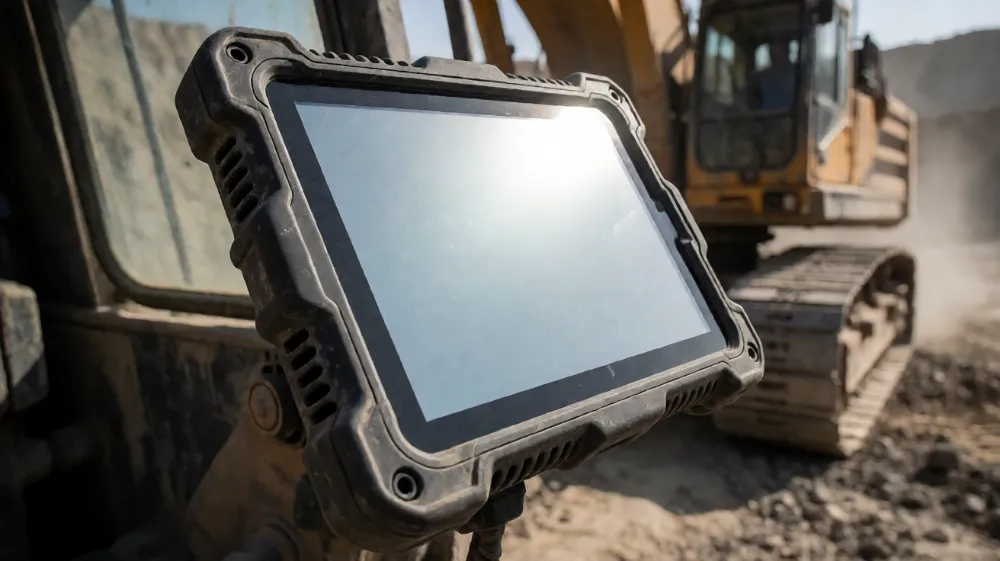
Before specifying hardware, it is crucial to understand why off-the-shelf consumer devices are a liability in mining contexts. Commercial tablets are designed for indoor, climate-controlled environments. They lack the structural integrity to handle the shock and vibration associated with being carried in heavy tool belts or mounted on mine cart systems.
Key Failure Points
- Thermal Shock: Standard tablets operate comfortably between 0°C and 35°C. Mining sites, particularly underground, can swing from 35°C in heated tunnels to freezing temperatures in surface winter operations. This thermal cycling causes battery swelling and component failure.
- Ingress Protection: Dust is the silent killer of electronics. Without a high IP rating, fine silica dust enters the internal circuitry, causing short circuits and overheating.
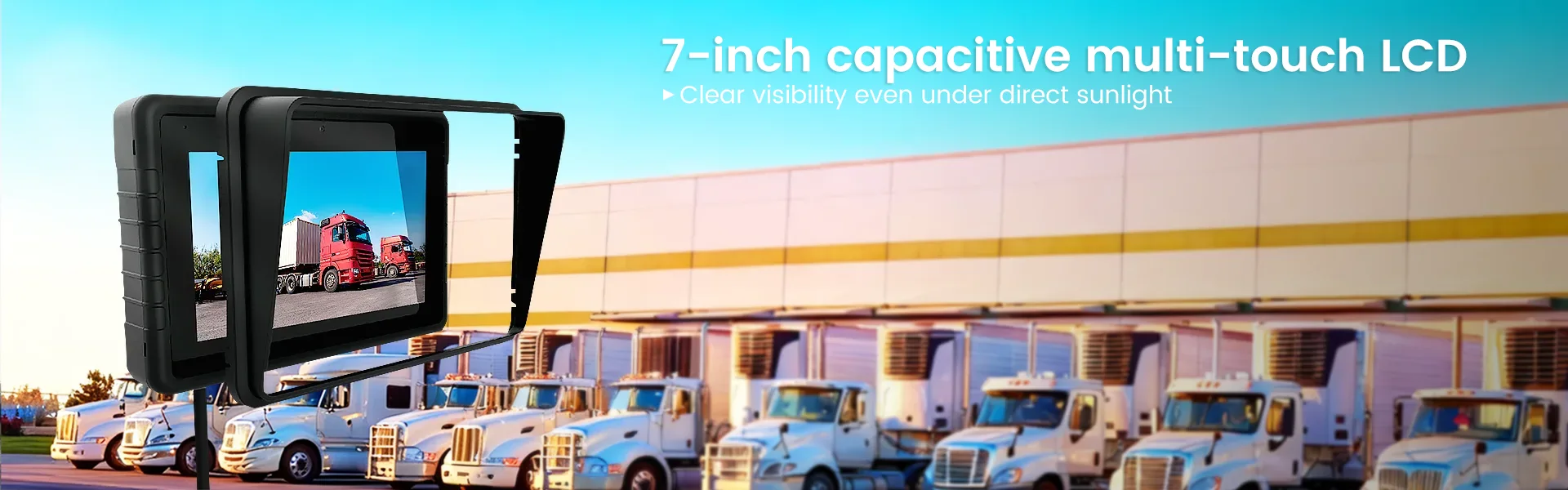
- Display Visibility: Sunlight in surface mining makes low-luminance screens unreadable. Conversely, underground requires high brightness for low-light conditions or specific color temperature adjustments to avoid operator fatigue.
- Safety Compliance: In coal mining or environments with flammable gases, standard tablets may not meet intrinsic safety (ATEX/IECEx) standards, posing an explosion risk.
Critical Specifications for a Rugged Tablet for Mining
When evaluating vendors, look beyond the marketing copy. The following technical parameters determine whether a tablet will survive and thrive in your specific mining application.
Operating Temperature Range
- Active Operating Range: Must support -20°C to 50°C minimum. For extreme surface mining in arid regions, consider units rated up to 60°C.
- Storage Range: -40°C to 70°C. The device must withstand being stored in a hot truck bed or a cold storage locker.
Ingress Protection (IP Rating)
- IP67: Submersible to 1 meter for 30 minutes. Suitable for general surface operations and wet processing plants.
- IP68: Submersible to 1.5 or 2 meters. Essential for wash plants, tailings areas, and operations with significant water exposure.
Shock and Vibration Resistance
- MIL-STD-810G/H: Look for certification for 1.5-meter drop tests onto concrete from all six angles.
- Vibration: Rated for 3G to 5G random vibration to simulate transport in mine trucks and heavy machinery.
Display Technology
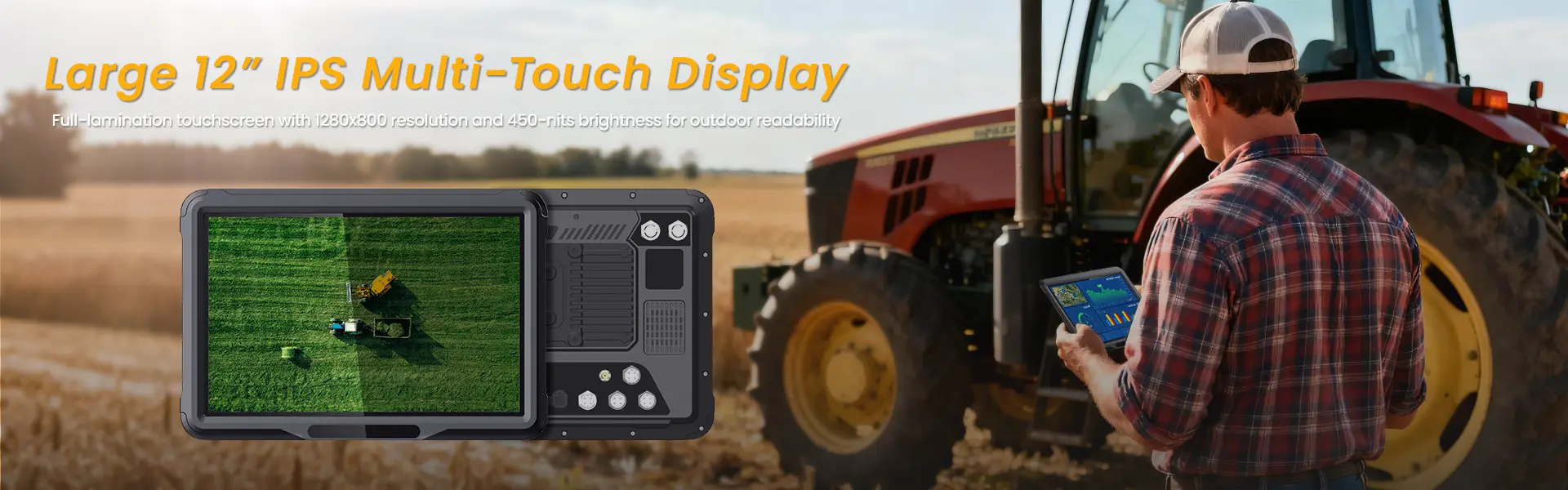
- Brightness: Minimum 1,000 nits for surface work; 2,000+ nits recommended for high-glare environments.
- Viewability: Gloved touch functionality and anti-reflective coatings to handle PPE and reduce eye strain.
Battery and Power
- Hot Swappable Batteries: The ability to swap batteries without powering down the device is critical for shift workers who need 12+ hours of operation.
- Runtime: Minimum 12 hours on a single charge under active load.
Comparison of Top Rugged Tablet Models for Mining
The following table compares three leading rugged tablet platforms commonly deployed in the mining sector. Note that specific models may vary by region and vendor configuration.
| Feature | Zebra ETX4 | Getac F110 | Panasonic Tuffbook |
|---|---|---|---|
| Form Factor | 10.1″ Touch + Keyboard | 10.5″ Rugged Tablet | 13.3″ Convertible Rugged Tablet |
| IP Rating | IP65 | IP68 | IP65 |
| Operating Temp | -10°C to 45°C | -20°C to 45°C | -20°C to 50°C |
| Drop Rating | 1.8m to concrete | 1.5m to concrete | 1.8m to concrete |
| Connectivity | LTE-A, Wi-Fi 6, BT 5.2 | LTE, Wi-Fi 5, BT 5.0 | LTE, Wi-Fi 6, BT 5.2 |
| OS Options | Android 11/12 | Android 11/12 | Windows 11 IoT |
| Key Mining Feature | Integrated barcode/RFID scanner | High-brightness sunlight viewable | Docking for data transfer |
| Target Use Case | Asset tracking & inspections | Surface operations & heavy environments | Haulage fleet management & admin |
Analyzing the Options
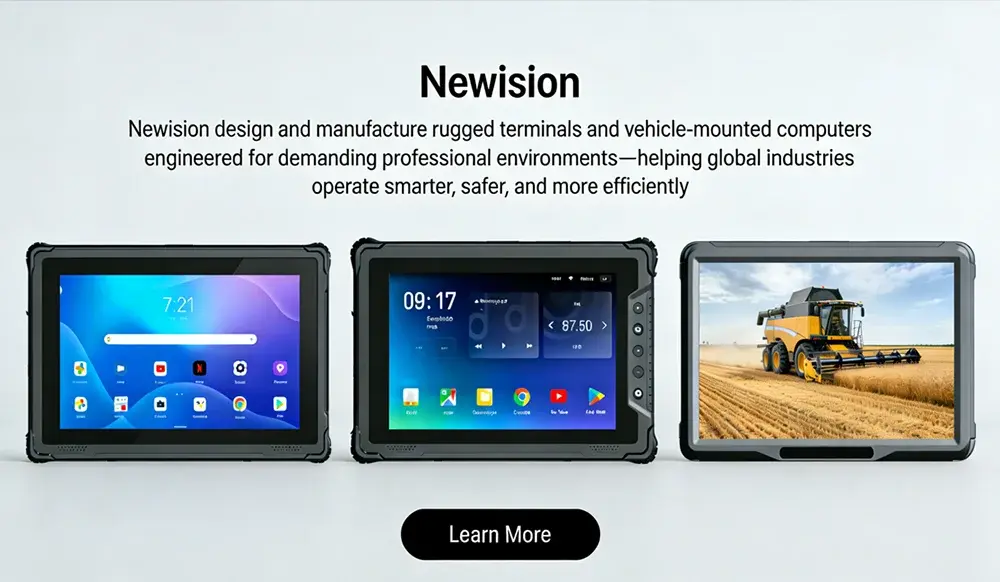
Zebra ETX4: Best suited for teams focused on asset tracking and inventory management. The integrated scanning technology eliminates the need for a separate handheld scanner, reducing the number of devices on a worker’s belt. It supports 5G and is designed for enterprise logistics.
Getac F110: Ideal for general-purpose mining field work. Its IP68 rating makes it one of the most water-resistant options on the list, suitable for processing plants and wet environments. The Android ecosystem allows for easy integration with existing mobile device management (MDM) software.
Panasonic Tuffbook: The larger screen and Windows OS make this the superior choice for complex data entry, geotechnical mapping, and fleet management where software compatibility with desktop-class applications is required. It serves as a mobile workstation for site engineers.
Software Integration and Connectivity Challenges
Hardware is only half the equation. The value of a rugged tablet for mining is realized through its connectivity and software stack.
Connectivity in Dead Zones
Mining sites often have poor cellular coverage, especially underground. A robust deployment strategy involves:
- Local 5G Small Cells: Deploying private 5G networks to ensure low-latency communication between autonomous haul trucks and the control room.
- Mesh Networking: Using mesh-enabled rugged tablets to create ad-hoc networks in areas without infrastructure, allowing data to hop through devices to reach a connection point.
- Satellite Communication: For remote exploration sites, consider tablets with integrated or accessory-based satellite communication capabilities to send critical safety data.
Hazardous Area Certifications
For coal mining or sites with methane and dust explosion risks, the tablet must be certified for use in Zone 1 or Zone 2 areas. This usually involves:
- ATEX/IECEx Ex-ib or Ex-nA Ex-ic: Intrinsic safety limits electrical energy to prevent ignition.
- Note: Very few commercial rugged tablets meet Ex-certification. Many mines use “inert” gas monitoring systems to keep tablets out of hazardous zones or use specialized, custom-built intrinsically safe tablets. Always verify certification with your local regulatory body (e.g., MSHA, NATEC).
Mobile Device Management (MDM)
Deploying rugged tablets for mining requires an MDM solution that can:
- Remotely lock devices in case of theft.
- Push updates and applications over-the-air (OTA).
- Enforce security policies to protect sensitive geological and operational data.
- Track device location via GPS for asset recovery.
Practical Use Cases in Mining Operations
Understanding how different roles utilize these devices helps in tailoring the configuration.
1. Geotechnical Monitoring
Geologists and engineers use tablets to log borehole data, take photos of rock faces, and run geotechnical assessment apps.
- Requirement: High-resolution camera for sample photography, durable build for walking rough terrain, and the ability to run complex calculation apps locally if connectivity is down.
2. Haul Truck Telematics
Operators and maintenance crews monitor truck health, fuel consumption, and tire pressure.
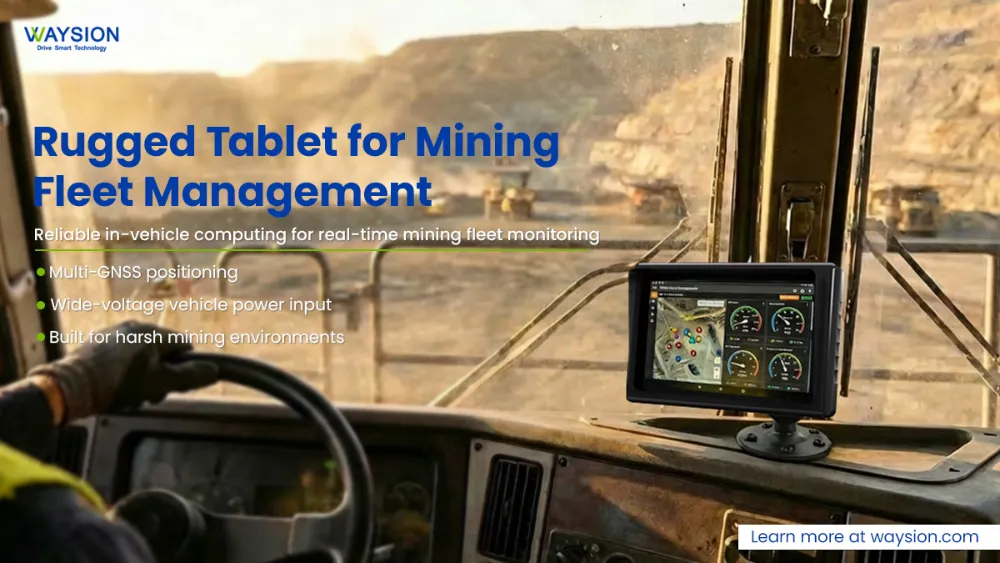
- Requirement: Real-time data streaming, large screens for dashboard views, and vibration resistance to handle mounting on vibrating structures.
3. Safety Compliance and Inspections
Safety officers conduct checklists for PPE compliance, equipment condition, and hazard identification.
- Requirement: Checkboxes, photo evidence capabilities, offline data storage, and batch synchronization when back in connectivity zones.
4. Workforce Management
Supervisors track labor hours, task allocation, and crew rosters.
- Requirement: Bright displays for outdoor visibility, long battery life for full shifts, and user-friendly interfaces for diverse workforce demographics.
Maximizing Device Lifespan and ROI
To get the most out of your investment in rugged tablets for mining, implement these operational protocols:
- Proper Mounting: Use vehicle mounts that vibrate-damp. Direct contact with metal surfaces can damage antennas and speakers.
- Cleaning Protocols: Establish a routine for cleaning dust and chemical residues off the device. Use compressed air and microfiber cloths. Never submerge IP68 rated devices unnecessarily, as water damage voids some warranties.
- Battery Health Monitoring: Use MDM tools to monitor battery cycles. Replace batteries proactively before they fail in the field.
- Spares Inventory: Keep a 10-15% spare inventory for critical roles to ensure workflow continuity when a device fails.
FAQ: Rugged Tablet for Mining
Q: What is the minimum IP rating required for a mining tablet?
A: While IP65 is acceptable for dry, surface-level operations, IP68 is the recommended standard for mining environments. IP68 certification ensures the tablet is dust-tight and can withstand immersion in water up to 1.5 meters for 30 minutes. This is critical for wash plants, tailings management, and any site with frequent exposure to moisture and slurry. If your operation involves wet crushing or grinding, do not settle for IP65; the risk of ingress from slurry is too high.
Q: Can rugged tablets operate in underground mines with low battery life?
A: Most rugged tablets support a 12-hour shift on a single charge, but underground operations often have limited access to charging points. Therefore, the battery life must be extended through power-saving settings and hot-swappable battery options. Ensure the tablet supports “on-the-go” charging so workers can charge the device while it is docked in a charging cabinet at the end of the shift. Additionally, verify that the operating temperature rating covers the specific thermal conditions of your underground environment, as ventilation systems can cause significant temperature fluctuations.
Q: Are there specific safety certifications required for tablets in coal mines?
A: Yes. In coal mining operations, which are classified as hazardous areas due to methane and combustible dust, tablets must often meet intrinsic safety standards such as ATEX in Europe or MSHA approval in the United States. Standard rugged tablets are generally not certified for use in these hazardous zones. If you are mining coal, you must verify with your local regulatory authority whether your chosen tablet meets the required Ex-ib or Ex-ic ratings. Failure to use certified equipment can result in severe fines and immediate shutdown of operations.
Conclusion and Next Steps
Selecting the right rugged tablet for mining is a strategic decision that impacts safety, data integrity, and operational cost. By prioritizing IP68 ratings, wide temperature ranges, and robust connectivity options, you can ensure your devices withstand the harsh realities of the mine site. Do not overlook the software ecosystem; the best hardware is wasted without proper MDM integration and offline capability.
When you are ready to move forward, assess your specific site conditions: temperature extremes, water exposure, and certification requirements. Cross-reference these against the specification tables provided. To ensure you select the right model for your fleet, it is advisable to request a demo unit and test it in your most challenging operational environment before full-scale deployment.
Ready to upgrade your mining tech stack? Contact our team today for a free consultation. We will analyze your site’s environmental factors and recommend the optimal rugged tablet configuration, including MDM setup and battery management strategies, to ensure maximum uptime and safety on your operations.
相关推荐内容
Latest Content
- Rugged Tablet for Fleet Management: The 2026 Guide to Choosing the Right Device
- Tablet Management for Trucking Fleets 2026 – Best Practices, Software & ROI Guide
- Is an 8-Inch Android Tablet Worth Buying in 2026?
- Rugged Driver Tablet Guide 2026: Features, ROI & Buying Tips for Fleet & Field Deployments
- Mobile Data Terminal: The Complete Guide to MDT Systems
Hot product
- WMT6UQ: 6-Inch 4G Android 12 Wireless Carplay Navigator Motorcycle PND
- WT10RX: 10.1 inch rugged tablet,10.1″ sunlight-readable display,10.1" ip67 rugged tablet
- WT10MX: 10.1 inch rugged tablet 12,000 mAh,10.1″ IPS display Rugged IP65 design
- WT08Q9Y: 8 inch 10000mAh long battery rugged tablet,1000-nit rugged tablet,
- WT08M8Y: 8 inch Android 14,700-nits rugged tablet