



Fleet Management Canada: 2026 Guide to Telematics & Compliance
TL;DR
Canadian fleet managers should focus on telematics-driven decision-making rather than simple tracking. The 2026 landscape rewards platforms that integrate real-time data with predictive maintenance, driver behavior analytics, and automated compliance reporting. Start with a pilot program covering 10-20% of your fleet, measure fuel savings and incident reduction over 90 days, then scale.
Why Fleet Management Matters in Canada
The Economic Scale
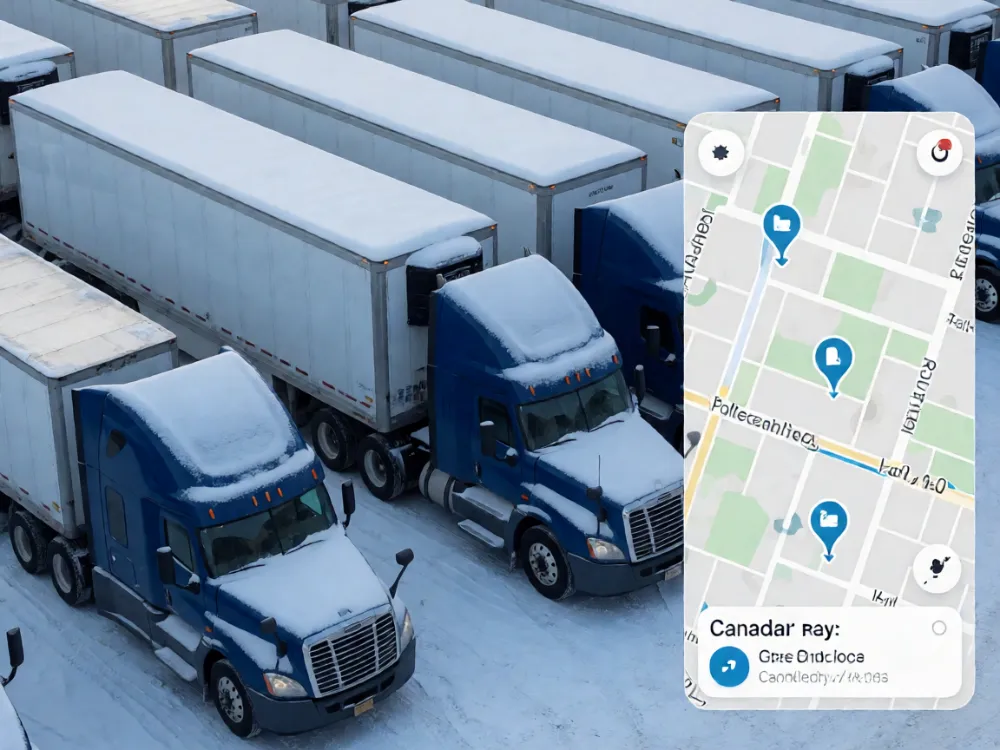
Canada’s commercial trucking industry moves over CAD $400 billion in goods annually. Fleet operating costs account for roughly 30-40% of total logistics expenses, making even a 5% reduction highly valuable.
The Regulatory Environment
- Federal: Transport Canada mandates electronic logging devices (ELDs) for most carriers under the Commercial Vehicle Safety Alliance (CVSA) North American Standard.
- Provincial variations: Alberta’s Fleet Safety Program differs from Quebec’s SAAQ requirements. British Columbia’s CVSE inspections are among the strictest in North America.
- Emissions: The federal Clean Freight Assessment Program (2025) incentivizes adoption of zero-emission vehicles, with rebates up to CAD $120,000 per electric truck.
Core Components of a Modern Fleet Management System
Telematics and GPS Tracking
- Real-time location: Essential for dispatch efficiency and customer visibility.
- Geofencing: Automated alerts when vehicles enter or leave designated zones.
- Data accuracy: Look for systems with sub-meter accuracy in urban canyons and rural areas.
Driver Behavior Monitoring
- Speeding: Excessive speed is the leading cause of preventable collisions.
- Idling: Excessive idling wastes fuel and increases emissions—Canada’s average commercial vehicle idles 1,800 hours per year.
- Hard braking/acceleration: Indicators of aggressive driving that increase wear and tear.
Predictive Maintenance
- Engine diagnostics: OBD-II integration flags issues before they become breakdowns.
- Tire pressure monitoring: Critical for safety and fuel efficiency in Canadian winters.
- Scheduled maintenance alerts: Automated reminders based on mileage or engine hours.
Compliance and Reporting
- ELD integration: Automatic capture of hours of service (HOS) data.
- Inspection reports: Digital pre-trip and post-trip inspections that sync with provincial databases.
- Carbon footprint tracking: Required for federal reporting under the Output-Based Pricing System (OBPS).
Choosing the Right Platform: A Decision Framework
Assess Your Fleet Size
- Small fleets (1-20 vehicles): Cloud-based SaaS platforms with month-to-month contracts. Look for mobile-first apps that work offline.
- Mid-size (21-100 vehicles): Integrated platforms with API access for dispatch and accounting software.
- Large fleets (100+ vehicles): Enterprise-grade solutions with dedicated account management, custom reporting, and on-premise deployment options.
Evaluate Key Features
- Offline capability: Critical for northern Canada where cellular coverage is sparse.
- Integration: Must connect with your existing ERP, dispatch, and accounting systems.
- Mobile app quality: Drivers will use it daily—poor UX leads to low adoption.
- Data export: CSV, API, or EDI access for custom analysis.
Avoid These Common Pitfalls
- Over-buying features: Don’t pay for AI route optimization if you only have 5 vehicles.
- Ignoring driver feedback: A system that drivers hate will fail regardless of its capabilities.
- Skipping the pilot: Test with a small subset of your fleet before full rollout.

Measuring ROI: Metrics That Matter
Fuel Efficiency
- Miles per gallon (MPG): Track before and after implementation.
- Idling reduction: Target a 20-30% reduction in idle hours within 6 months.
- Route optimization: Efficient routing can reduce fuel consumption by 10-15%.
Safety and Compliance
- Incident rate: Track preventable accidents per million miles.
- Safety violations: Fewer speeding tickets and CVSA out-of-service orders.
- Compliance score: Percentage of vehicles passing inspections on first attempt.
Maintenance Costs
- Cost per mile: Include preventive maintenance, repairs, and downtime.
- Unplanned repairs: Predictive maintenance can reduce these by 25-40%.
Case Studies: Canadian Fleet Transformations
Case 1: Regional Distributor in Ontario
- Challenge: High fuel costs and frequent driver violations.
- Solution: Implemented a telematics platform with driver coaching.
- Results: 18% fuel savings and 45% reduction in harsh braking incidents within 9 months.
Case 2: Construction Fleet in Alberta
- Challenge: Equipment theft and unauthorized use after hours.
- Solution: Geofencing with real-time alerts and starter disable.
- Results: Zero theft incidents and 30% reduction in after-hours unauthorized trips.
Case 3: National Carrier in British Columbia
- Challenge: Meeting CVSA inspection standards across multiple provinces.
- Solution: Digital inspection app with automated compliance reporting.
- Results: 95% first-time inspection pass rate and 50% reduction in paperwork time.
The Future of Fleet Management in Canada
AI and Machine Learning
- Predictive demand forecasting: AI models that predict maintenance needs based on historical data and real-time conditions.
- Dynamic routing: Systems that adapt to weather, traffic, and road closures in real time.
- Driver risk scoring: Algorithms that identify high-risk drivers before incidents occur.
Electric Vehicle (EV) Integration
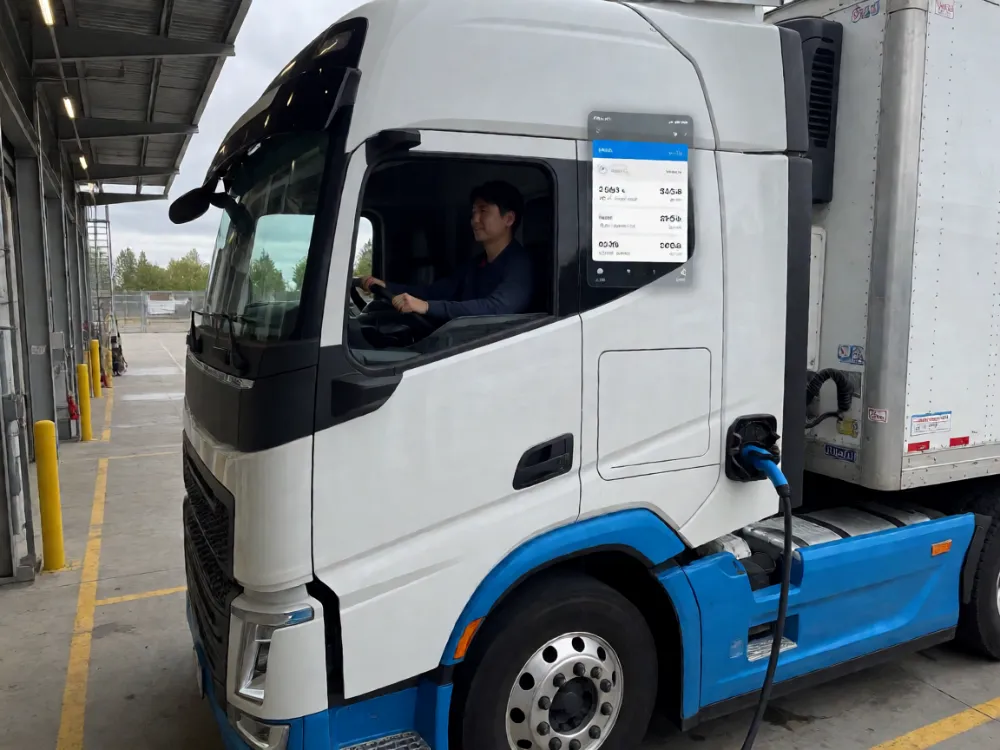
- Charging optimization: Fleet management platforms are evolving to manage EV charging schedules and costs.
- Range monitoring: Critical for electric trucks operating in cold climates where range drops by 30-40%.
- Total cost of ownership (TCO): EVs have lower fuel and maintenance costs but higher upfront costs—platforms that model TCO over 5-7 years are essential.
Autonomous and Semi-Autonomous Systems
- Level 2-3 autonomy: Already in testing with Canadian carriers on northern corridors.
- Remote diagnostics: Technicians can troubleshoot issues without visiting the vehicle.
Getting Started: A 90-Day Implementation Plan
Phase 1: Assessment (Weeks 1-2)
- Audit your current fleet: vehicles, costs, utilization rates.
- Identify top 3 pain points (fuel, safety, compliance, maintenance).
- Research platforms that address those specific issues.
Phase 2: Pilot Program (Weeks 3-8)
- Select 10-20% of your fleet for the pilot.
- Choose drivers who are open to technology and can provide feedback.
- Establish baseline metrics: fuel consumption, incident rate, maintenance costs.
Phase 3: Analysis and Scale (Weeks 9-12)
- Compare pilot data against baseline.
- Calculate ROI: fuel savings, reduced downtime, fewer violations.
- Roll out to the rest of the fleet with a phased approach.
—
Common Questions Answered
How much does fleet management software cost?
- Basic GPS tracking: CAD $10-20 per vehicle per month.
- Full-featured platform: CAD $30-80 per vehicle per month, depending on features and fleet size.
- Enterprise solutions: Custom pricing, often CAD $100+ per vehicle per month.
Is fleet management software compliant with Canadian privacy laws?
- Yes, if you follow PIPEDA (federal) and provincial equivalents. Ensure your provider is transparent about data storage locations and access controls. Drivers must consent to monitoring.
Can I use fleet management for owner-operators?
- Absolutely. Many platforms offer flexible plans for single-vehicle operators, with features like expense tracking and tax documentation.
Canadian fleet management is no longer about simply knowing where your vehicles are—it’s about turning data into decisions. The carriers that succeed in 2026 will be those that use technology to reduce waste, improve safety, and stay ahead of regulatory changes.
Start small, measure rigorously, and scale what works. The ROI is real, but it requires commitment and a clear understanding of your specific operational challenges.
相关推荐内容
Latest Content
- Rugged Tablets for Taxi Fleets: 2026 Selection Guide & TCO Analysis
- Rugged Tablet for Digital Mining: The Essential Guide to Durability in the Field
- Sunlight Readable Tablet: The Ultimate Guide to Choosing the Right Display for Outdoor Work
- Mobile Device Management (MDM) Solutions: The Complete Guide for 2026
- Rugged Tablet for Mining: Specs, Comparison & Buyers Guide
Hot product
- WMT6UQ: 6-Inch 4G Android 12 Wireless Carplay Navigator Motorcycle PND
- WT10RX: 10.1 inch rugged tablet,10.1″ sunlight-readable display,10.1" ip67 rugged tablet
- WT10MX: 10.1 inch rugged tablet 12,000 mAh,10.1″ IPS display Rugged IP65 design
- WT08Q9Y: 8 inch 10000mAh long battery rugged tablet,1000-nit rugged tablet,
- WT08M8Y: 8 inch Android 14,700-nits rugged tablet